How to Detox Plastics from Your Body: Science-Based Guide
So you want to detox plastics from your body? I want the same
We’re living in a plastic world, and unfortunately, that plastic is living inside us too. Every day, we consume, inhale, and absorb thousands of microscopic plastic particles through our food, water, and environment. If you’ve been wondering how to detox plastics from your body, you’re asking the right question at the right time.
The reality? You’re consuming over 50,000 plastic particles every year, and they’re showing up in human blood, placentas, and even breast milk. But here’s the good news: your body has natural mechanisms to eliminate these toxins, and there are proven ways to support and accelerate this process.
This comprehensive guide will walk you through everything you need to know about plastic detoxification, from the science behind how plastics affect your body to practical, evidence-based strategies you can implement today.
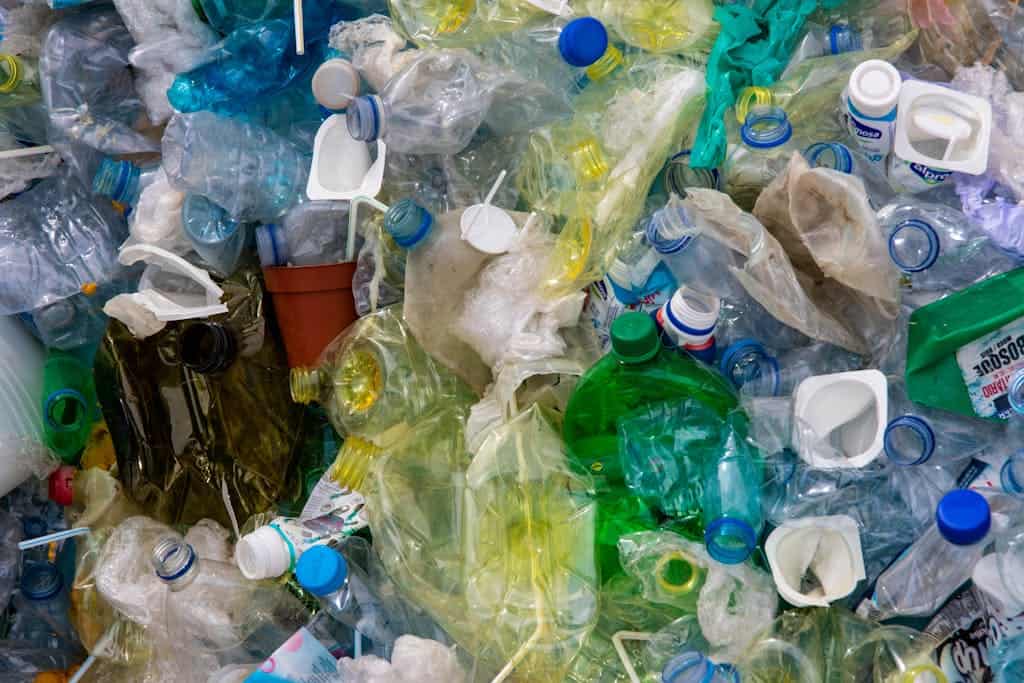
What Are Microplastics and Why Do You Need to Detox Plastics?
Microplastics are tiny plastic particles smaller than 5 millimeters that come from plastic bottles, food containers, synthetic clothing, and even air pollution. These particles have infiltrated every aspect of our environment and food chain.
Recent studies have found microplastics in:
- 93% of bottled water samples
- Sea salt and table salt
- Honey and beer
- Tea bags (releasing billions of particles per cup)
- Fish and shellfish
- Even fruits and vegetables
The Health Impact of Plastic Exposure
Research shows that accumulated plastics in your body can:
Disrupt Your Hormones: Plastic chemicals like BPA and phthalates mimic estrogen, potentially affecting reproductive health, metabolism, and development.
Trigger Chronic Inflammation: Microplastics activate immune responses, leading to persistent low-grade inflammation linked to numerous chronic diseases.
Damage Your Gut: Plastic particles can compromise your intestinal barrier, allowing toxins to enter your bloodstream and contributing to leaky gut syndrome.
Affect Brain Function: Emerging research suggests plastic chemicals may contribute to brain fog, cognitive decline, and neuroinflammation.
Impact Fertility: Studies link plastic exposure to reduced sperm quality in men and ovarian dysfunction in women.
Want more on detox? see our complete guide on how to detox your body
How Your Body Naturally Detoxes Plastics
Before diving into enhancement strategies, it’s important to understand how your body already handles plastic detoxification:
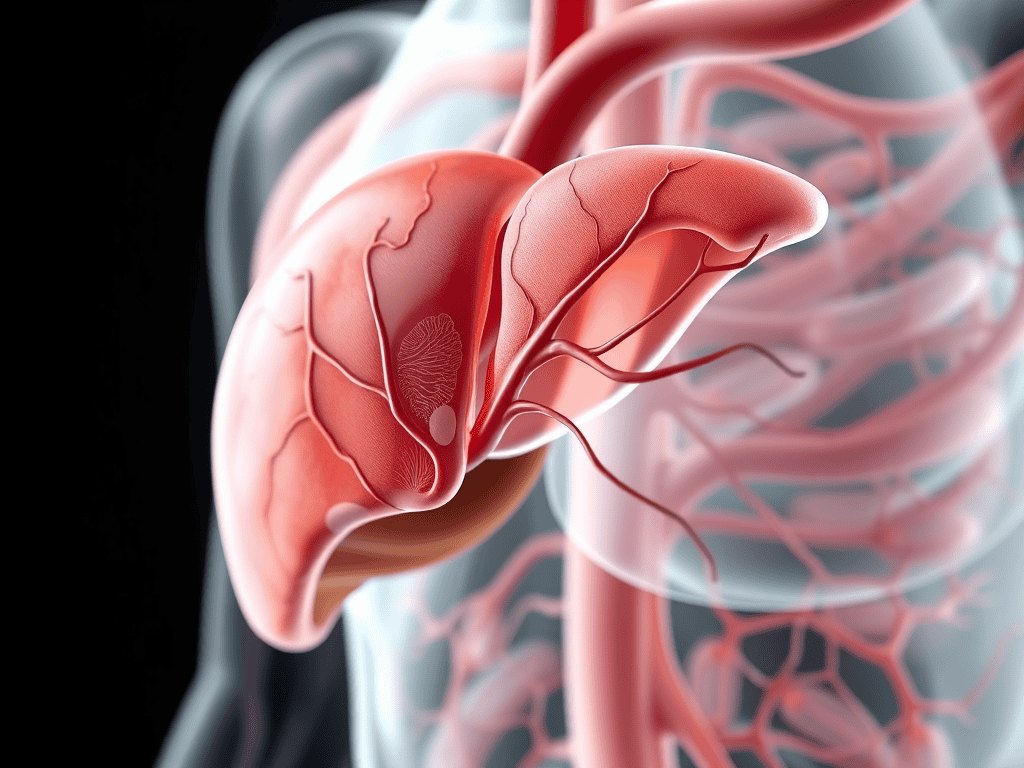
Liver Processing
Your liver is the primary detox organ for plastic chemicals like BPA. It uses a process called glucuronidation to break down BPA and other plastic compounds into water-soluble forms that can be eliminated through urine.¹ This process typically clears BPA from your system within 5-6 hours.
Multiple Elimination Pathways
Your body eliminates plastic chemicals through:
- Urine (primary pathway – up to 90%)
- Feces (secondary pathway)
- Sweat (emerging research shows this is more significant than previously thought)²
The Challenge
While your body can eliminate many plastic chemicals relatively quickly, the constant exposure means you’re often taking in more than you can efficiently process. Additionally, some plastic particles may persist longer than initially thought, and certain chemicals can accumulate in fat tissue.
Evidence-Based Strategies to Detox Plastics
1. Support Your Liver’s Glucuronidation Pathway
Since glucuronidation is your body’s primary method to detox plastics, supporting this process is crucial.
Foods that enhance glucuronidation:
- Cruciferous vegetables: Broccoli, kale, cauliflower, Brussels sprouts
- Citrus fruits: Oranges, lemons, limes, grapefruit
- Red grapes: Rich in resveratrol
- Herbs and spices: Turmeric (curcumin), rosemary
- Teas: Rooibos tea, honeybush tea
Key supplements:
- DIM (Diindolylmethane): Supports phase II liver detoxification
- Calcium D-Glucarate: Inhibits beta-glucuronidase, preventing toxin reabsorption
- Milk Thistle: Protects liver cells during detoxification
- NAC (N-Acetylcysteine): Boosts glutathione production for enhanced detox capacity
2. Harness the Power of Binding Agents
Certain compounds can bind to plastic particles and chemicals in your digestive tract, preventing absorption and facilitating elimination.
Chlorella (500-1000mg daily) Research specifically shows chlorella can bind to BPA and small microplastic particles.³ This green algae also provides beneficial nutrients including B vitamins, iron, and protein. Always choose tested, low-mercury varieties.
Zeolite (400-800mg daily)
This volcanic mineral has a unique porous structure that can trap various sized plastic chemicals. Studies show it can adsorb up to 50mg of BPA per gram.⁴ Clinoptilolite zeolite is considered the safest form for human consumption.
Modified Citrus Pectin (300-500mg daily) This gentle fiber binds toxins in the gut and supports regular elimination without harsh side effects, making it suitable for long-term use.
Activated Charcoal (200-400mg, 2-3 times weekly) While research on microplastics specifically is limited, activated charcoal effectively binds various toxins. Use high-quality sources and avoid daily use to prevent nutrient depletion.

3. Optimize Your Gut Microbiome for Plastic Detox
Emerging research reveals that specific beneficial bacteria can actually break down plastic chemicals in your gut.
Probiotic Strains with Plastic-Detox Properties:
Bifidobacterium breve: Studies show this strain can reduce BPA absorption by up to 2.4 times while increasing fecal elimination.⁵
Lactobacillus casei: Works synergistically with Bifidobacterium to bind plastic chemicals and prevent reabsorption.⁵
Lactobacillus reuteri: Research demonstrates a 69.83% BPA degradation rate with no toxic byproducts. In beverage studies, it eliminated over 92% of BPA within 24 hours.⁶
Bacillus subtilis: This spore-forming probiotic can degrade 97.2% of BPA within 9 hours and remains stable across various pH and temperature conditions.⁷

Implementation Strategy:
- Take a high-quality probiotic containing these specific strains
- Include fermented foods like kimchi, sauerkraut, and kefir (start with small amounts)
- Consider probiotic cycling: 2-3 months on, 1 month off
4. Activate Elimination Through Sweating
Research published in the Journal of Environmental and Public Health found that BPA and phthalates are eliminated through sweat, making induced sweating a valuable detox strategy.²
Infrared Sauna Benefits:
- Penetrates deeper than traditional saunas
- Operates at lower temperatures (120-140°F vs 180-200°F)
- Directly heats your body at the cellular level
- Protocol: 3-4 sessions weekly, 20-30 minutes each
Alternative Sweating Methods:
- Regular exercise with significant perspiration
- Hot yoga or Bikram yoga
- Traditional saunas or steam rooms
- Hot baths with Epsom salts
Sweating Safety Tips:
- Stay well-hydrated before, during, and after
- Replace electrolytes with natural sources
- Start slowly and build tolerance
- Shower immediately after to rinse eliminated toxins
5. Enhance Elimination with Targeted Nutrition
Fiber for Binding and Elimination (25-35g daily): now some people won’t do well with this much fiber, start slowly and find fibers that work for you.
- Soluble fiber: Apples, oats, beans, flaxseeds
- Insoluble fiber: Vegetables, whole grains, nuts
- Resistant starch: Cooked and cooled potatoes, green bananas
Antioxidants for Cellular Protection:
- Vitamin C: 1000-2000mg daily (supports phase I liver detox)
- Vitamin E: 400-800 IU daily (protects cell membranes)
- Alpha-lipoic acid: 300-600mg daily (both water and fat-soluble antioxidant)
- Selenium: 200mcg daily (supports glutathione function, one of my favorite minerals
Hydration for Elimination:
- Drink 8-12 glasses of filtered water daily
- Add lemon for additional liver support
- Herbal teas count toward fluid intake
- Avoid plastic water bottles, switch to glass as your Stanleys might be poisoning you with toxic metals
Prevention: Reducing Plastic Exposure
The most effective detox strategy is reducing ongoing exposure while supporting elimination of existing plastic burden.
Water and Food Safety
Water Filtration (Essential):
- Reverse osmosis: Most effective for microplastics removal
- Carbon block filters: Good balance of cost and effectiveness
- Avoid: Standard pitcher filters (minimal microplastic removal)
Food Storage and Preparation:
- Replace plastic containers with glass or stainless steel
- Never microwave food in plastic containers
- Avoid plastic wraps in contact with food
- Choose fresh foods over processed when possible
- Select beverages in glass bottles over plastic
Household and Personal Care
Personal Care Products:
- Avoid products with microbeads
- Choose natural, plastic-free packaging when possible
- Use bamboo toothbrushes
- Select cosmetics in glass containers
Advanced Detox Protocols
Intermittent Fasting for Cellular Cleanup
Fasting triggers autophagy, your body’s cellular recycling process that helps eliminate damaged components, including those affected by plastic toxins.
Effective Protocols:
- 16:8 Method: Fast 16 hours, eat within 8-hour window
- 18:6 Method: Fast 18 hours, eat within 6-hour window
- 24-hour fasts: Once weekly (with medical supervision if needed)
Liver Support During Detox
TUDCA (Tauroursodeoxycholic Acid): 250-500mg daily
- Supports bile flow for toxin elimination
- Protects liver cells during detox
- Add taurine rich foods or consider supplementing if you plan on taking Tudca long term.
Glutamine: 5-10g daily
- Repairs and maintains gut lining integrity
- Prevents toxin leakage into bloodstream
Magnesium Glycinate: 400-600mg daily
- Supports over 300(0) enzymatic processes
- Promotes regular bowel movements for toxin elimination
Creating Your Personal Plastic Detox Plan
Phase 1: Foundation (Weeks 1-4)
Start small
- Install water filtration system
- Replace plastic food containers
- Begin basic probiotic supplementation
- Increase fiber intake gradually
- Start daily sweating routine
Phase 2: Enhancement (Weeks 5-12)
- Add targeted binding agents (chlorella, zeolite)
- Implement liver support supplements
- Introduce intermittent fasting
- Optimize probiotic strains
- Regular sauna or sweating sessions
Phase 3: Maintenance (Ongoing)
- Continue prevention strategies
- Cycle supplements (2-3 months on, 1 month off)
- Regular detox support
- Monitor and adjust based on symptoms
Safety Considerations and When to Seek Help
Signs Your Detox Is Working
Positive indicators:
- Improved energy levels
- Better sleep quality
- Clearer skin
- Enhanced mental clarity
- Better digestive function
- Reduced inflammatory symptoms
Temporary detox symptoms (should resolve within 1-2 weeks):
- Mild headaches
- Temporary fatigue
- Changes in bowel movements
- Mild skin breakouts
Stop if you are still experiencing symptoms after 2 weeks, you are doing more harm than help.
The Bottom Line On How To Detox Plastics
While we can’t completely eliminate plastic exposure in our modern world, we can significantly reduce our plastic burden and support our body’s natural detoxification processes. The key is consistent, long-term implementation rather than short-term intensive protocols.
Remember that detox plastics from your body is an ongoing process, not a one-time event. By combining exposure reduction with targeted support for your body’s elimination pathways, you can minimize the health impacts of unavoidable plastic exposure while optimizing your overall health and vitality.
The strategies outlined in this guide are based on current scientific research, but the field of microplastic health effects is rapidly evolving. Stay informed about new developments, and always prioritize proven, safe methods over unsubstantiated claims.
Your health is worth the investment in filtered water, quality supplements, and mindful lifestyle choices. Start with the foundational steps, be consistent, and gradually build your comprehensive plastic detox protocol. Your body—and your long-term health—will thank you for taking action today.
This article is for educational purposes only and is not intended to replace professional medical advice. Always consult with a qualified healthcare provider before making significant changes to your health routine, especially if you have existing health conditions or take medications.
References
- Street, M. E., et al. (2017). Current knowledge on endocrine disrupting chemicals (EDCs) from animal biology to humans, from pregnancy to adulthood: Highlights from a national Italian meeting. International Journal of Molecular Sciences, 18(6), 1647. PMID: 28649042
- Genuis, S. J., et al. (2012). Human excretion of bisphenol A: blood, urine, and sweat (BUS) study. Journal of Environmental and Public Health, 2012, 185731. PMC Article
- Aksu, Z., & Tezer, S. (2005). Removal of BPA by green alga, Chlorella vulgaris from aqueous solution: effect of initial BPA and biomass concentrations. Water Research, 39(13), 3187-3196. PMID: 16152959
- Sustainability Study on Zeolite for BPA Removal. (2023). Sustainability, 15(17), 13253. MDPI Article
- Oishi, K., et al. (2008). Effect of probiotics, Bifidobacterium breve and Lactobacillus casei, on bisphenol A exposure in rats. Bioscience, Biotechnology, and Biochemistry, 72(6), 1409-1415. ResearchGate
- Ma, Y., et al. (2019). Degradation potential of bisphenol A by Lactobacillus reuteri. Environmental Science and Pollution Research, 26(12), 12304-12313. ResearchGate
- Bacillus subtilis P74 BPA degradation study. (2023). Microorganisms, 11(10), 2536. PMC Article
- Hodges, R. E., & Minich, D. M. (2015). Modulation of metabolic detoxification pathways using foods and food-derived components: a scientific review with clinical application. Journal of Nutrition and Metabolism, 2015, 760689.
- Activated charcoal for water treatment applications. (2020). Water, 12(8), 2150. MDPI Article
- Integrative Pro. Understanding the role of DIM and calcium D-glucarate in hormone balance. Integrative Pro Blog
Discover more from Maxwell Person
Subscribe to get the latest posts sent to your email.