Vitamin D for Cavities: What My Dentist Never Mentioned
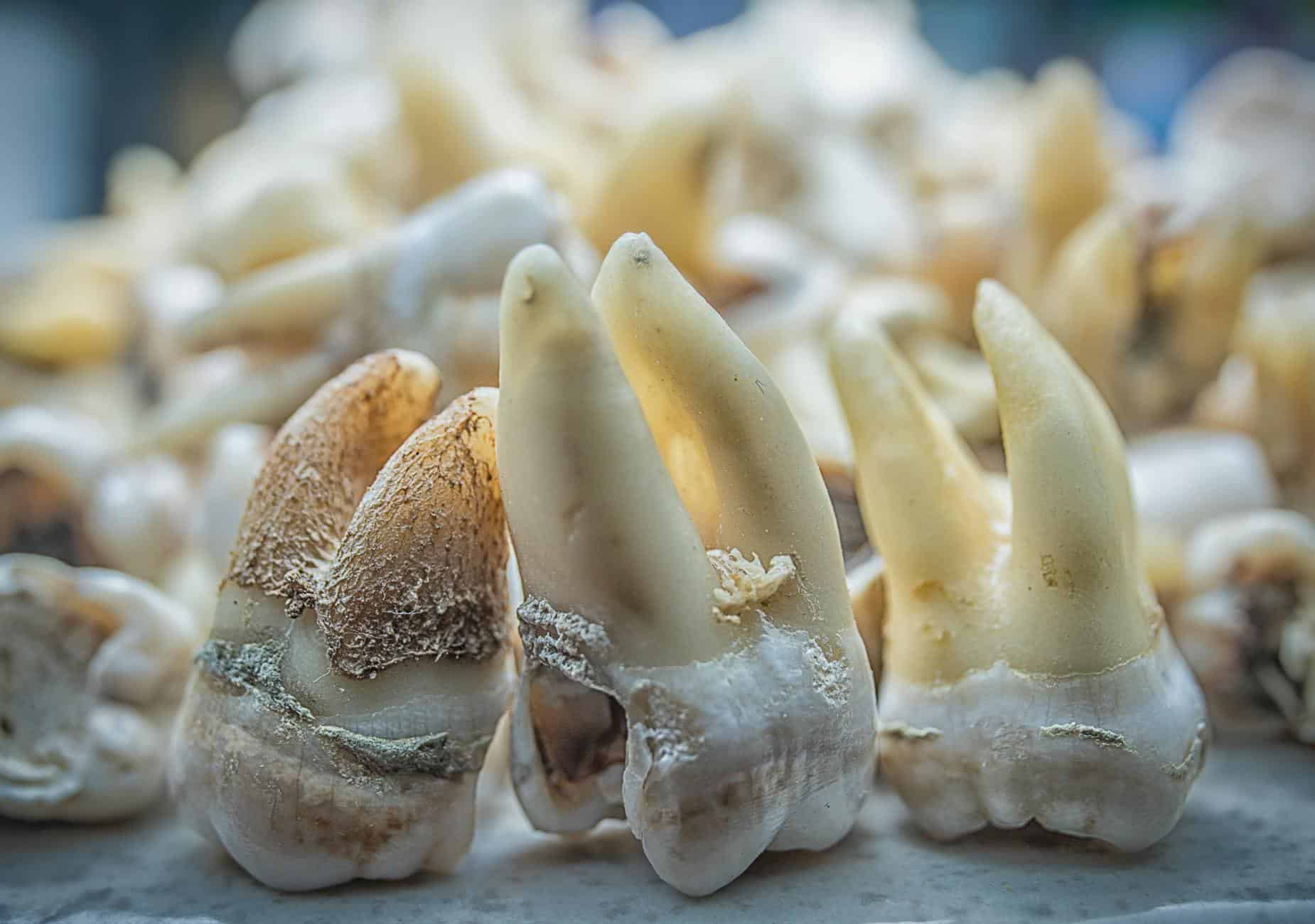
My teeth started falling apart the same year my health did.
Multiple cavities, multiple chipped teeth.
I’d never had more than one in a year before. My dentist blamed my diet. Probably stress, he said. Could be grinding.
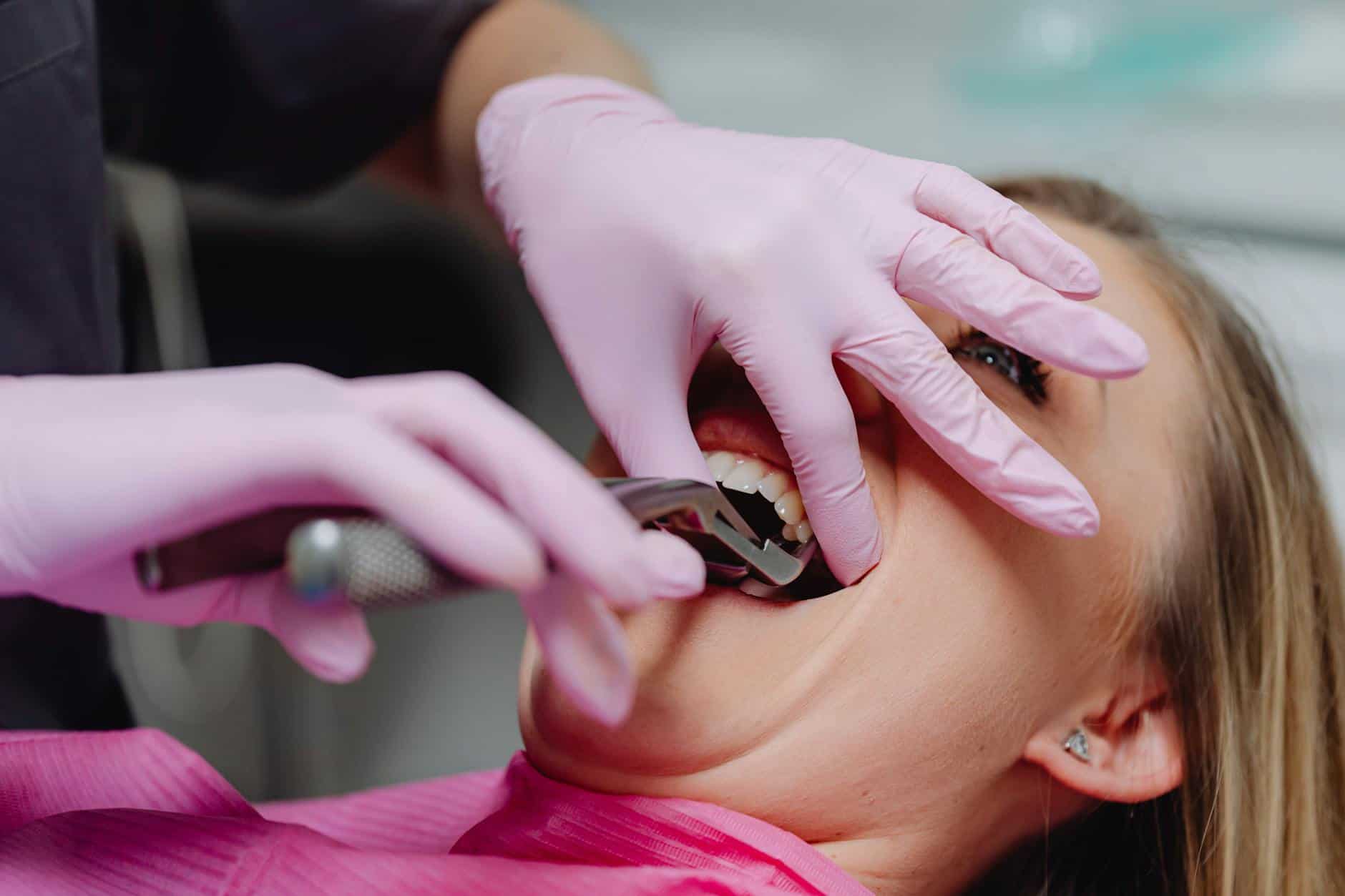
He wanted to fill them in and send me on my way.
Two years later I got my blood work back. Vitamin D was 14 ng/mL. That’s not just low. That’s the kind of low where your body is rationing what it has for the most critical functions and everything else gets deprioritized.
I started reading. And it turns out there’s a decent amount of research on vitamin D and cavities that almost nobody talks about; not dentists, not your GP, nobody. Three separate mechanisms, some decent human data, and one finding that genuinely caught me off guard.
Lets jump into it!
The Three Ways Vitamin D Affects Your Teeth
Most people know vitamin D is involved in calcium absorption. Fewer people know how much this matters specifically for teeth.
Your enamel is constantly being attacked by acid from bacteria, and constantly being repaired by minerals deposited from your saliva. This back-and-forth is happening right now in your mouth. Vitamin D controls your gut’s ability to absorb calcium and phosphorus from food — the minerals that do the repairing. When D is low, absorption tanks.
Some studies put it at around 15% efficiency when deficient versus 30-40% when replete. Your enamel is downstream of your gut.
But here’s the part that surprised me.
Saliva itself carries those minerals to your teeth. Research published in the European Journal of Pediatrics found that vitamin D deficiency directly reduces salivary flow and drops mineral concentrations in saliva. Less saliva, weaker saliva. The whole delivery system breaks down.
So even if you’re eating plenty of calcium, if your D is low, your gut isn’t absorbing it well, and your saliva isn’t carrying it to your teeth effectively. Two separate failure points, both traceable to the same deficiency.
The third mechanism I did not see coming.
Vitamin D Kills Cavity-Causing Bacteria
Streptococcus mutans is the main bacteria behind tooth decay. It lives in plaque, eats sugar, produces acid, and is the direct cause of the demineralization process that creates cavities. If you can keep its population down, your teeth have a much better chance.
Researchers running a screen of FDA-approved drugs found vitamin D compounds could literally burst Strep mutans cells open. That PMC study found direct bactericidal activity — not just inhibitory, actually lysing the cells (breaking open of cell membranes).
Separately, an in vitro study published in PMC tested cholecalciferol (regular D3) against both Strep mutans and Strep sobrinus. Both strains were inhibited. Growth slowed, cell morphology changed. Strep sobrinus was more sensitive than Strep mutans.
Might makes sense to add d3 to your oil pulling formula
But there’s also an indirect pathway that probably matters more at normal supplementation doses. Vitamin D binds to receptors on immune cells and triggers production of cathelicidin and beta-defensins. These are antimicrobial peptides — your body’s built-in antibiotics. Cathelicidin (called LL-37) shows up in saliva. Research linked cathelicidin levels in saliva directly to vitamin D status. Better D, more LL-37, more antimicrobial activity bathing your teeth all day.
Your mouth has its own immune system. Vitamin D is a major input to it.
What the Human Data Actually Shows
A meta-analysis of controlled clinical trials estimated vitamin D supplementation reduced dental caries rates by roughly 50%. That number is from actual trials, not just correlational data.
A 2023 meta-analysis of 13 studies covering cross-sectional, cohort, and case-control designs: children with vitamin D deficiency had 68% higher odds of developing cavities in their baby teeth. Not a small association.
A PMC systematic review pulling together studies from multiple countries consistently found that kids with vitamin D below 50 nmol/L had meaningfully worse cavity rates than those with adequate levels. Get your kids outside!
The remineralization finding I found most compelling: a PMC study took extracted premolars, artificially demineralized them, then soaked them in saliva from people who had been supplementing vitamin D versus people who hadn’t. The teeth sitting in D-supplemented saliva showed significantly more calcium and phosphorus deposited back into the enamel surface. Harder teeth. Better remineralization. From saliva. Because of what the person was putting in their body.
That’s the mechanism playing out in real tissue. Not a survey, not an association study. Actual enamel getting minerals back.
The K2 Factor
Can’t write about vitamin D and teeth without bringing this up.
K2 is Weston A Price’s “activator X” and another important fat soluble vitamin for teeth!
K2 activates proteins that direct calcium into teeth and bones rather than soft tissue. Vitamin D raises calcium in your blood. K2 tells that calcium where to go. Without K2, raised calcium from vitamin D supplementation can end up in places you don’t want it.
The research pairing them specifically for dental remineralization is still building, but the mechanism is well established for bone. If you’re taking D for your teeth, MK-7 (a form of K2) at 100-200 mcg alongside it makes sense. The vitamin K2 article covers what K2 actually does in the body if you want the full breakdown.
What Level Do You Actually Need
The cavity research points to serum 25(OH)D above 30-40 ng/mL for meaningful protective effects. The official deficiency cutoff is 20 ng/mL — that’s where bones start to suffer. But “not severely deficient” and “optimal for salivary antimicrobial peptide production and enamel repair” are not the same thing.
Most people who live indoors, live north of roughly the 35th parallel, or don’t supplement are sitting at 20-30 ng/mL. Good enough to avoid rickets. Probably not enough to get the dental protection the research describes.
Get tested first. A simple blood draw. The number matters because someone at 14 ng/mL (where I was) needs a different protocol than someone at 35 ng/mL. Without it you’re guessing.
Standard doses for raising levels: 2,000-5,000 IU of D3 daily. D3, not D2. D3 is what your skin makes from sun and it raises blood levels more effectively. Take it with a fatty meal since it’s fat-soluble. Expect 2-4 months of consistent supplementation to see levels move meaningfully.
What This Won’t Do
And vitamin D doesn’t replace brushing and flossing. It improves the background conditions your teeth are operating in. If you’re eating sugar constantly and not cleaning your teeth, better D levels will help on the margins but won’t overcome the basics.
The way I think about it: vitamin D is one of the systemic inputs your teeth depend on to defend and repair themselves. Most people are running chronically low. If you’ve had more cavities than you’d expect, especially during a period of stress or illness, getting your levels checked costs almost nothing and might explain more than your dentist’s theory about grinding.
The how to detox your body guide covers the full picture of oral detox and systemic health in the mouth detox section — worth reading alongside this if you’re approaching dental health from a functional perspective.
Common Questions
What vitamin D level is actually protective for teeth? The research generally points to above 30-40 ng/mL. Below 20 is deficiency, but the sweet spot for dental protection appears to be higher than the minimum threshold most doctors use to call someone “fine.”
Can it reverse cavities? yes, remineralization can reverse those. Visible cavities with physical tooth loss, no. Get those treated.
Should I combine it with K2? Mechanistically yes. K2 directs calcium to teeth and bones. If you’re raising your D to support dental health, MK-7 at 100-200 mcg alongside it makes sense.
How long before I notice a difference? No clean answer from the research. Getting levels from deficient to replete takes 2-4 months. The enamel remineralization study ran 6 weeks. Think in terms of consistent supplementation over months, not days.
Does the form of vitamin D matter? Take D3. D2 is less effective at raising serum levels. D3 is what your body makes from sunlight.
Can I just get enough from sun? Maybe. Fifteen to thirty minutes of midday summer sun on significant skin surface raises levels meaningfully. But this is highly variable by season, latitude, skin tone, and age. The only way to know if sun alone is keeping you adequate is to test.
References
Effect of Oral Vitamin D3 on Dental Caries: An In-Vivo and In-Vitro Study. PMC 2022. PMC9233525
Vitamin D Compounds Are Bactericidal against Streptococcus mutans. PMC 2017. PMC5740330
The antibacterial effects of vitamin D3 against mutans streptococci. PMC 2021. PMC8055259
Correlation between vitamin D levels and the risk of dental caries in children: systematic review and meta-analysis. BMC Oral Health 2023.
A Systematic Review of the Relationship between Serum Vitamin D Levels and Caries in the Permanent Teeth of Children and Adolescents. PMC 2024. PMC11048958
Emerging Roles of Vitamin D-Induced Antimicrobial Peptides in Antiviral Innate Immunity. PubMed 2022. PMID 35057465
Dental caries in children and vitamin D deficiency: a narrative review. European Journal of Pediatrics 2023.
Discover more from Maxwell Person
Subscribe to get the latest posts sent to your email.