He Shou Wu for Gray Hair Reversal: What the Research Shows
So you saw your first gray hair?
But your 27?
Now your up reading, how can I reverse this?
And somewhere in that reading you came across He Shou Wu.
He Shou Wu also called fo-ti, And somewhere in that reading I came across he shou wu, also called fo-ti, a root from traditional Chinese medicine with a 1,200-year-old reputation for reversing gray hair. The name literally translates to ‘Mr. He’s black hair,’ supposedly named after a man who discovered it growing in the woods and regrew a full head of dark hair after consuming it.
Chinese stories are fantastic lol
I was skeptical in the way I’m skeptical of most things with origin stories that convenient. But I kept seeing lab studies pop up alongside the folklore. Real mechanistic research, published in journals, on how the compounds in he shou wu interact with the cells that produce hair pigment.
The science is more interesting than I expected. The safety situation is also more complicated than your average supplement site will tell you. Both things matter if you’re thinking about trying this.
Why Hair Goes Gray in the First Place
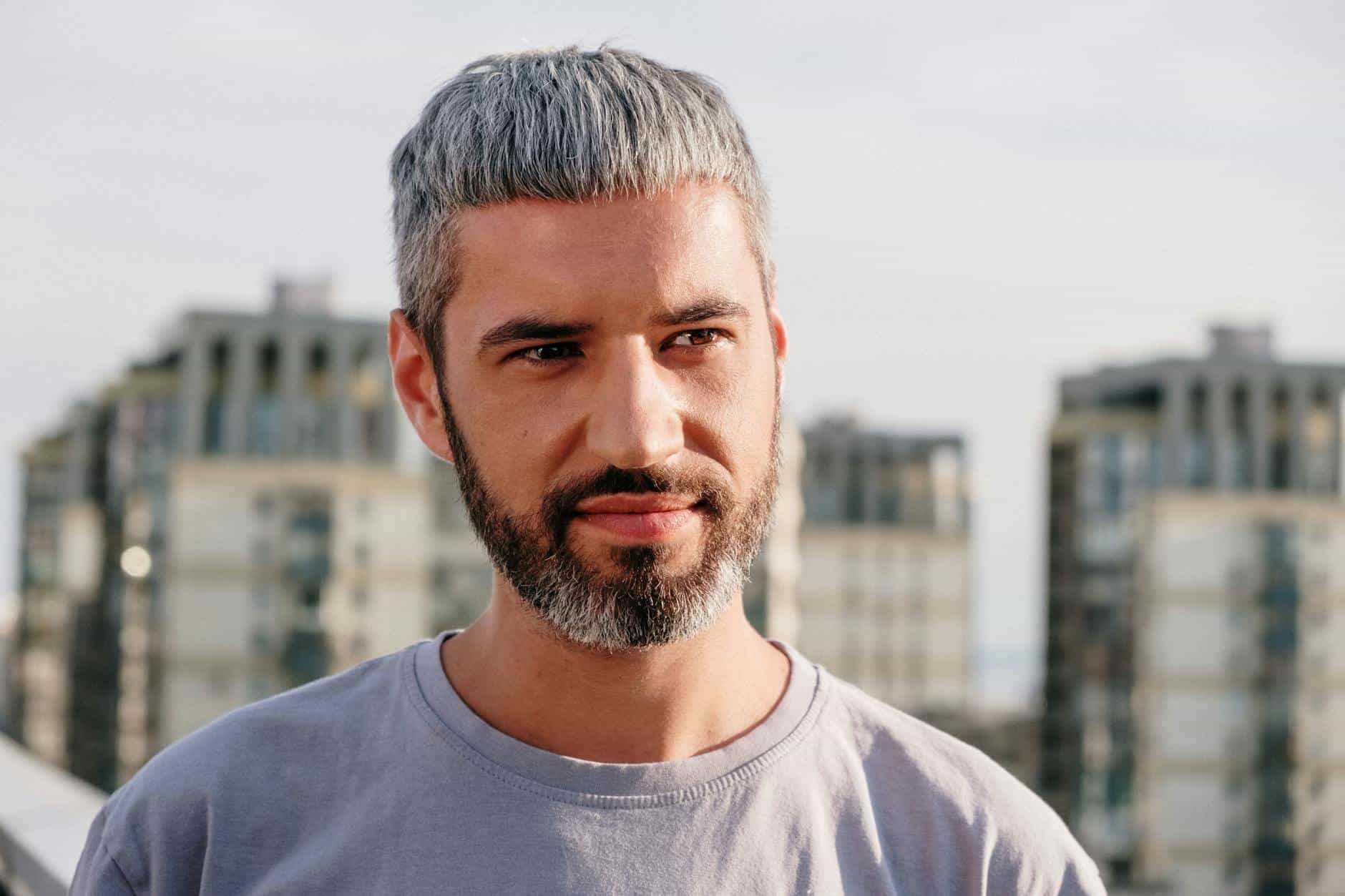
Hair gets its color from pigment-producing cells that sit at the base of each follicle.
There are two types: eumelanin gives you dark brown and black, pheomelanin gives you red and blonde. The ratio between them determines your hair color.
As you age, those cells slow down and eventually stop.
There are several reasons and they interact: oxidative damage builds up in follicle tissue over decades, the stem cells that would normally replenish the pigment producers get depleted, and the chemical signals that tell follicles to keep making color gradually go quiet.
Premature graying, the kind that shows up in your twenties and thirties rather than your sixties, tends to involve the oxidative damage component more heavily. Chronic stress, poor nutrition, smoking, and high overall oxidative burden all accelerate the timeline. Do these things sound familiar?
This matters for understanding what he shou wu is and isn’t doing. The herb appears to work mainly on the pigment production signal chain, not on reversing the stem cell depletion that drives age-related graying. That distinction changes who is likely to benefit from it.
What He Shou Wu Actually Contains
The root of Polygonum multiflorum contains several active compound families. The one that comes up most in the gray hair research is called TSG, short for tetrahydroxystilbene glucoside. It’s the main quality control marker and the compound most studied for its effects on hair pigment.
TSG is related to the same compound family as resveratrol, if you havent heard of resveratrol it was super popoular in antiaging forums 10 years ago. TSG has documented antioxidant, anti-aging, and anti-inflammatory activity, and it appears to activate some of the cellular machinery involved in melanin production.
One thing almost nobody in Western supplement content mentions: there are two forms of he shou wu and they behave differently.
The raw form and the processed form, which has been steamed with black bean decoction according to traditional preparation. The processing changes the chemical makeup significantly. Raw form has higher levels of potentially irritating compounds. Processed form has higher TSG content and a better safety profile. This matters a lot, and I’ll come back to it when we get to the its affect on the liver
What the Gray Hair Research Actually Shows
I want to be up front, most of the research is in cell cultures or animal models. No large human clinical trials on he shou wu specifically for gray hair reversal exist.
That said, what exists is mechanistically specific in a way that goes beyond generic ‘supports hair health’ claims.
How It Stimulates Pigment Production
Your hair gets its color from a chain of signals your body sends to the follicle. One signal kicks off the next, and at the end of the chain a specific enzyme, tyrosinase, converts raw material into pigment. When any link in that chain gets disrupted, color production slows and eventually stops.
He shou wu appears to strengthen several of those links simultaneously. Mice with hydrogen-peroxide-induced (simulating oxidative stress) gray hair were treated with Polygonum multiflorum root. The treated group showed significantly higher pigment content and higher activity of the key enzymes involved in color production compared to untreated controls. Hair came back visibly darker.
Separately, research in human hair follicle cells and zebrafish embryos found that he shou wu extracts promoted melanin synthesis by activating a protein receptor on the cell surface that triggers the pigment production chain. TSG also activated a different but complementary pathway that turns on the genes responsible for melanin production.
Multiple pathways, multiple studies, pointing the same direction. For an herbal supplement, that’s more mechanistic coherence than most have going for them.
The Hydrogen Peroxide Angle
Here’s something interesting about gray hair most people don’t know. Your body naturally produces small amounts of hydrogen peroxide as a byproduct of normal cell metabolism. Over time this oxidative damage accumulates in the hair follicle, slowly suppressing the pigment-producing cells. It’s one reason hair grays gradually rather than all at once, and it’s especially relevant in premature graying where oxidative burden is high.
He shou wu has strong antioxidant activity that appears to protect the pigment cells from this hydrogen peroxide damage. One study found the herb prevented the hair-bleaching effects of hydrogen peroxide exposure in treated animals, reducing oxidative damage to the cells responsible for color.
This is probably the most relevant mechanism for premature graying specifically.
For age-related graying where the stem cell depletion is more dominant, the picture is a little more fuzzy.
The Raw vs Processed Form Finding
The mechanistic study on hair darkening found something that gets buried in most discussions: the raw, unprocessed form of he shou wu produced the most impressive hair darkening results, while the traditionally processed form showed somewhat less pigmentation activity.
TSG isolate alone performed worse than either whole-root form. I see this a lot in studies, the concoction of herbal compounds work synergistically.
In other words, the whole root in its raw form worked better for hair color restoration than either the standardized extract or the traditionally processed preparation. This creates a genuine problem, because the raw form is also the more hepatotoxic form. That tension is worth sitting with before deciding what to take.
The Liver Issue Nobody Wants to Talk About
This is the section every supplement brand skips. I’m not going to.
A systematic review of Chinese herbal medicine-induced liver injury identified he shou wu as the most frequently reported cause, accounting for 65 of 114 cases reviewed. The authors concluded that HSW causes liver toxicity and may lead to liver damage in varying degrees and even death. Most cases were reversible. Some were not.
A clinical series of 29 patients with documented he shou wu liver injury found moderate to severe hepatitis was the most common presentation, usually with jaundice. One patient died of liver failure. Three developed chronic persistent liver injury. The rest recovered, though it took weeks to months for liver enzymes to normalize.
The UK’s drug regulator has issued warnings. China’s national medicines authority issued notices restricting health foods containing it. This is not fringe concern territory.
The toxicity is idiosyncratic, meaning it doesn’t happen to everyone and you can’t reliably predict dose or duration from the reported cases. People have developed liver injury from short courses and long ones, from small doses and large ones. The raw form appears riskier than the processed form. The specific compounds responsible are still debated in the literature.
That raw-form-works-better-but-is-more-dangerous tension from the research section is real, and it deserves to inform how you approach this rather than being footnoted away.
Who Might Actually Benefit
Premature graying with high oxidative burden. If your gray hair is arriving significantly ahead of your family’s pattern, and you have other markers of elevated oxidative stress, the antioxidant protection mechanism is most plausible here. The hydrogen peroxide damage pathway maps directly to this population.
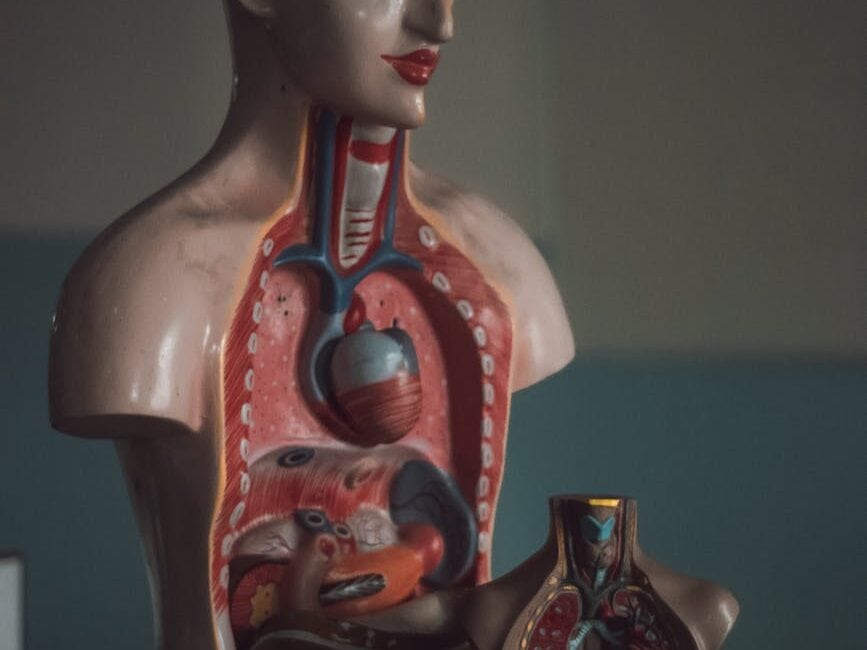
People who can monitor liver function. If you’re going to try this, baseline liver enzymes before starting and rechecking at 4-6 weeks is sensible precaution. Nausea, jaundice, dark urine, or unusual fatigue while taking it are signals to stop immediately and get checked.
Probably not for long-term daily use without monitoring. Chronic use increases cumulative risk. This is not a supplement to take indefinitely without checking in on your liver.
Not as a first intervention for age-related graying. If your graying is running on a normal timeline in your 50s and 60s, the stem cell depletion mechanism is probably dominant. The evidence for reversal in that scenario is thin.
For context on oxidative stress and antioxidant status, the how to detox your body guide covers this in more depth. And if hair loss is a parallel concern, is hair loss reversible covers that side of the question.
Preparation and Sourcing
Traditional preparation involves steaming the root with black bean decoction through multiple cycles. This process reduces the compounds associated with liver toxicity and increases TSG bioavailability. The processed form has a better safety profile, though it also produces somewhat less impressive pigmentation results in the animal research.
Most Western supplements don’t specify which form they contain or how they were processed. Some use raw root. Others use extracts. The sketchy ones don’t say. This opacity is a problem when form meaningfully affects both the benefit and the risk profile.
Look for products specifying processed fo-ti, Zhi He Shou Wu, or Polygonum multiflorum preparata. Brands that list TSG content as a percentage are more transparent. And brands that acknowledge the liver monitoring consideration rather than burying it in fine print are more trustworthy.
For a parallel case where sourcing and form matter as much as the compound itself, the supplements for mercury detox article covers similar terrain in a different context.
Realistic Expectations
Supplement marketing usually says 6-12 months for visible color changes. There are no controlled human trials with documented before-and-after results to validate this timeline.
The animal research shows melanin production markers improve over weeks of treatment. Whether this translates to visible darkening in humans, over what timeline, and in what percentage of people, is genuinely unknown from the published research.
Anecdotal reports vary widely. Some people report noticeable darkening within 3-4 months. Many report no change after 6 months. Some see partial results, darker roots growing in while gray tips remain. The variability probably reflects real biological differences in what’s driving each person’s graying.
The potential benefit is real. The risk is real.
If you try it: document your baseline, check your liver enzymes, give it at least 4-6 months before concluding it isn’t working for you, and stop if you develop any of the symptoms mentioned above. He shou wu gray hair reversal is a legitimate area of research with a legitimate safety concern attached. Both deserve equal weight.
FAQ
Does he shou wu really reverse gray hair? The lab evidence for the mechanism is real, specifically how it activates pigment production pathways and protects pigment cells from oxidative damage. Human trial data is essentially absent. Anecdotal reports vary widely. The honest answer: the mechanism is plausible and documented in cells and animals, but we can’t say with confidence it works in humans or predict who responds.
How long does he shou wu take to show results for gray hair? The usual estimate is 3-6 months for initial changes, 6-12 months for meaningful color shift. These timelines come from anecdotal reports and extrapolation from the animal research timeline, not human trials. Any color change from restored melanin production would appear first at the roots.
Is he shou wu safe to take? It carries a documented liver toxicity risk that is not trivial. It’s the most frequently reported cause of Chinese herbal medicine liver injury in published systematic reviews. Most people don’t experience problems, but serious and even fatal liver injury has occurred. Baseline and follow-up liver enzyme testing is sensible precaution.
What is the difference between raw and processed he shou wu? Raw form has greater efficacy in the hair pigmentation studies but higher liver toxicity risk. Processed form has been steamed with black bean decoction, which lowers liver injury risk but also somewhat reduces pigmentation efficacy in animal research. Most practitioners recommend the processed form for this reason.
What is TSG? The primary active compound in he shou wu and the main quality marker in the Chinese Pharmacopoeia. It activates melanin production pathways and has antioxidant properties. In head-to-head testing, the whole root outperformed TSG isolate for hair pigmentation, suggesting other compounds in the plant also contribute.
Can you use he shou wu topically instead of orally? Topical application sidesteps the liver toxicity risk associated with oral use. Some research suggests topical TSG or Polygonum multiflorum extract can promote melanin production locally. How effective it is compared to oral use isn’t well-characterized, but for people concerned about liver risk it’s worth exploring.
Maxwell Person is an aerospace engineer who spent his mid-20s chronically ill and years afterward reading the research to figure out what actually worked. He writes for people who want evidence without the wellness fluff.
References
Mechanistic Studies on the Use of Polygonum multiflorum for the Treatment of Hair Graying. PMC 2015. PMC4657090
Natural products and their derivatives as candidate treatments for hair greying. PMC 2025. PMC12866018
Liver Damage Associated with Polygonum multiflorum: A Systematic Review. PMC 2015. PMC4306360
Clinicopathological features of He Shou Wu-induced liver injury. PubMed 2018. PMID 30066422
Hepatoprotection and hepatotoxicity of Heshouwu: Context of the paradoxical effect. PubMed 2016. PMID 27484243
Advances in the Study of the Potential Hepatotoxic Components and Mechanism of Polygonum multiflorum. PMC 2020. PMC7545463
TSG from Polygonum multiflorum: A Systematic Review on Anti-Aging. PMC 2025. PMC11989756
Discover more from Maxwell Person
Subscribe to get the latest posts sent to your email.