The fruit till noon protocol for the ultimate physique isn’t just another wellness trend – it’s a strategic eating approach that’s got serious science backing it up.
I’ve been tracking this protocol for months now.
The results? Mind-blowing.
People are dropping fat while eating MORE food.
Sound impossible? Let me break down exactly what’s happening in your body.
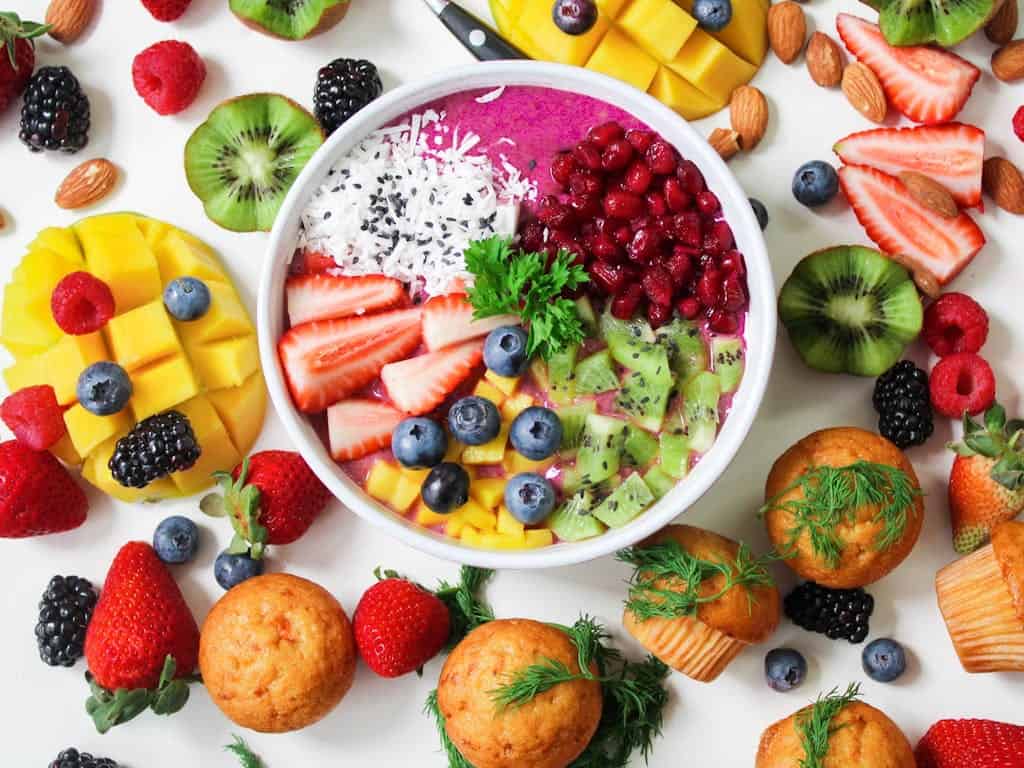
What Is the Fruit Till Noon Diet Actually Doing to Your Body?
Here’s what most people miss about the fruit till noon approach:
It’s not all about the fruit.
It’s also about timing.
When you eat only fruit until 12 PM, you’re triggering a metabolic switch that most diets completely ignore.
Your liver starts producing something called FGF21 – think of it as your body’s fat-burning accelerator.
Research shows that high-carbohydrate intake (like fruit) can increase circulating FGF21 levels by up to 8-fold in humans (1).
This isn’t some made-up nonsense.
This is published science.
Want to learn more about Fruit till noon? watch the video below!
The FGF21 Connection Nobody’s Talking About
FGF21 does three things that matter for fat loss:
- Increases energy expenditure – you literally burn more calories doing nothing
- Improves glucose handling – your body gets better at using carbs for fuel instead of storing them
- Suppresses fat storage – especially when combined with proper meal timing
Jesse Itzler has been doing this for 33+ years (8).
He’s completed 52 marathons and became an Ultraman athlete.
Coincidence? you decide.
Why Morning Fruit Works When Everything Else Fails
Your body’s circadian rhythm matters more than you think.
Morning is when your cortisol peaks.
Your metabolic genes are primed for energy.
Your liver is ready to process carbohydrates efficiently.
When you align fruit consumption with these natural rhythms, magic happens.
Studies confirm that eating carbohydrates early in the day leads to better metabolic outcomes than eating them later (3).
It’s not just about WHAT you eat.
It’s about WHEN you eat it.

The Food Combining Science
Here’s where it gets interesting:
Fruit digests in 20-30 minutes (10).
Proteins take 1.5-4 hours.
When you mix them, you create digestive chaos.
in ayurveda they speak about this a lot. Id recommend eating fruit on its own or sparingly with other foods.
The fruit till noon protocol eliminates this problem entirely.
Your digestive system runs like a Formula 1 car instead of a traffic jam.
How to Start the Fruit Till Noon Diet (The Smart Way)
Don’t go from zero to hero overnight.
That’s how people fail, gain weight.
Here’s Noah’s suggested progression:
Week 1-2: Low Sugar Fruit Foundation
Start with these fruits:
- Berries (blueberries, raspberries, blackberries)
- Green apples
- Grapefruit
- Kiwi
- Lemons and limes
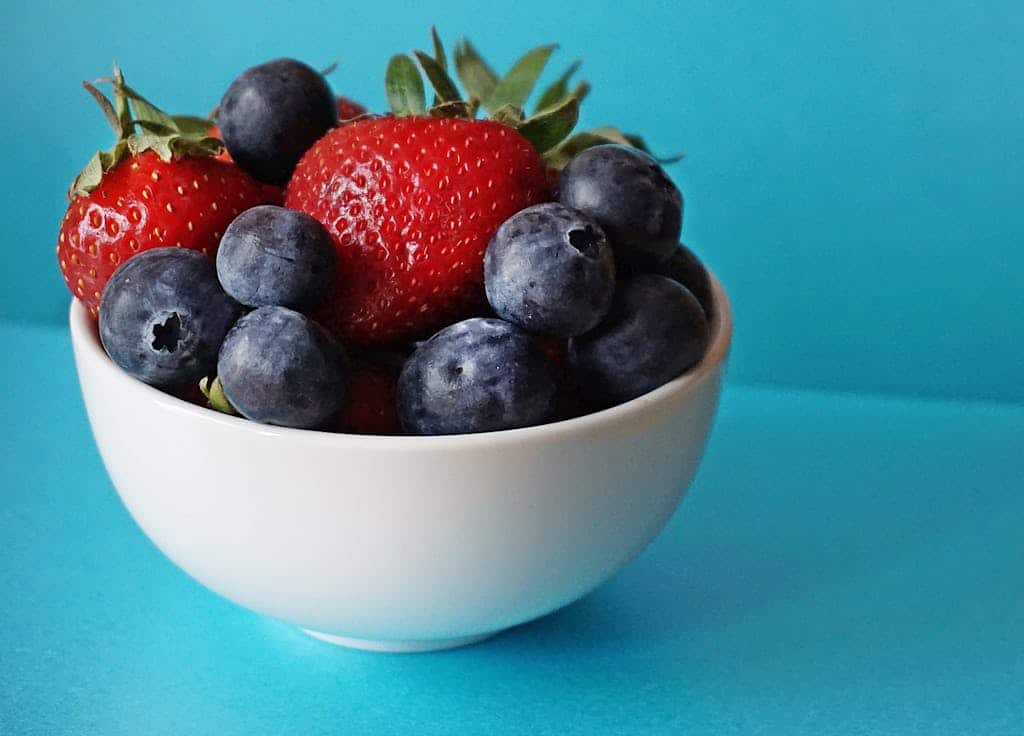
These have lower sugar content but still trigger the FGF21 response.
Your body adapts without the sugar crash.
Eat 200-400 grams total during your morning window.
Week 3-4: Add Medium Sugar Fruits
Now introduce:
- Oranges
- Pears
- Peaches
- Plums
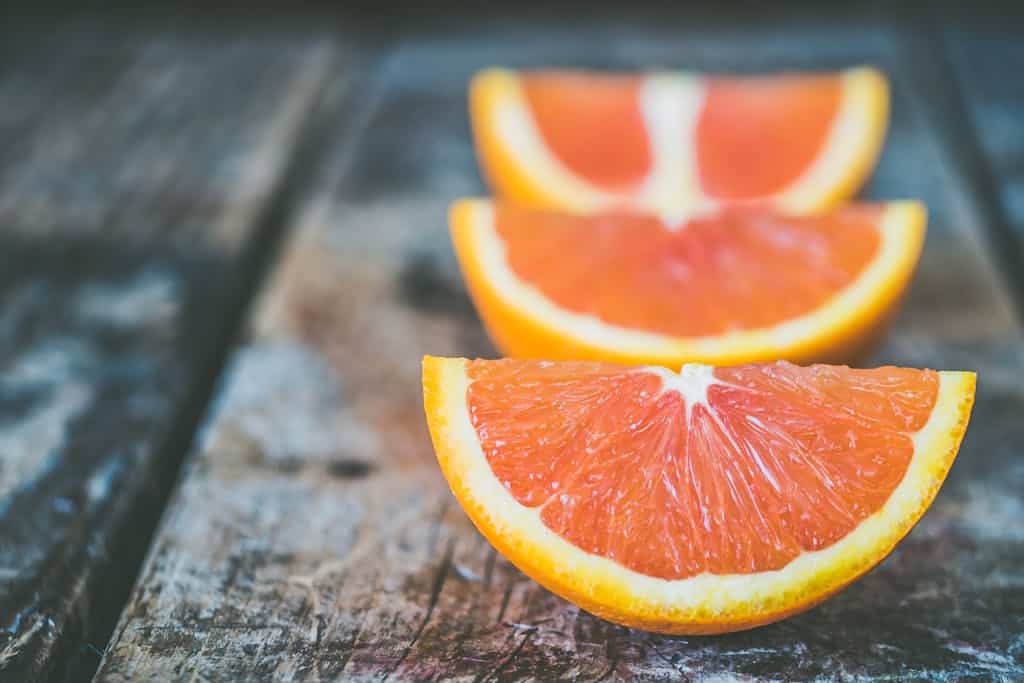
Your insulin sensitivity should be improving.
Your energy should be stable.
If not, stick with low sugar fruits longer.
Week 5+: Full Protocol Implementation
Add any fruits you want:
- Bananas
- Mangoes
- Grapes
- Pineapple
But here’s the key: listen to your body.
Some people thrive on tropical fruits.
Others feel better with temperate zone options.
Advanced Strategy: Carb Cycling with Fruit Till Noon
Want to accelerate results?
Combine the fruit till noon approach with strategic carb cycling.
This is where things get really interesting.
The Science Behind Carb Cycling
Here’s what most people don’t understand about carb cycling:
Your body adapts to whatever you feed it consistently.
Feed it carbs for days, and it becomes efficient at using carbs.
But here’s the key – it also becomes less efficient at burning fat.
Research shows that FGF21 levels can increase by over 20-fold in mice fed high-carbohydrate diets for just one week (2).
But sustained elevation can lead to receptor desensitization and some other negative effects.
Think of it like caffeine tolerance.
Keep hitting the same button, and it stops working as well.
That’s where the cycling comes in.
Studies on time-restricted eating show that metabolic flexibility – your ability to switch between fuel sources – is crucial for optimal fat loss (6).
When you cycle between high-carb and high-fat days, you force your metabolism to stay adaptable.
Day 1-3: Your body ramps up FGF21 production and carb-burning enzymes.
Day 4: You switch to fat oxidation, preventing metabolic adaptation while maintaining insulin sensitivity (9).
This creates what researchers call “metabolic flexibility” – your body becomes good at using both fuel sources efficiently.
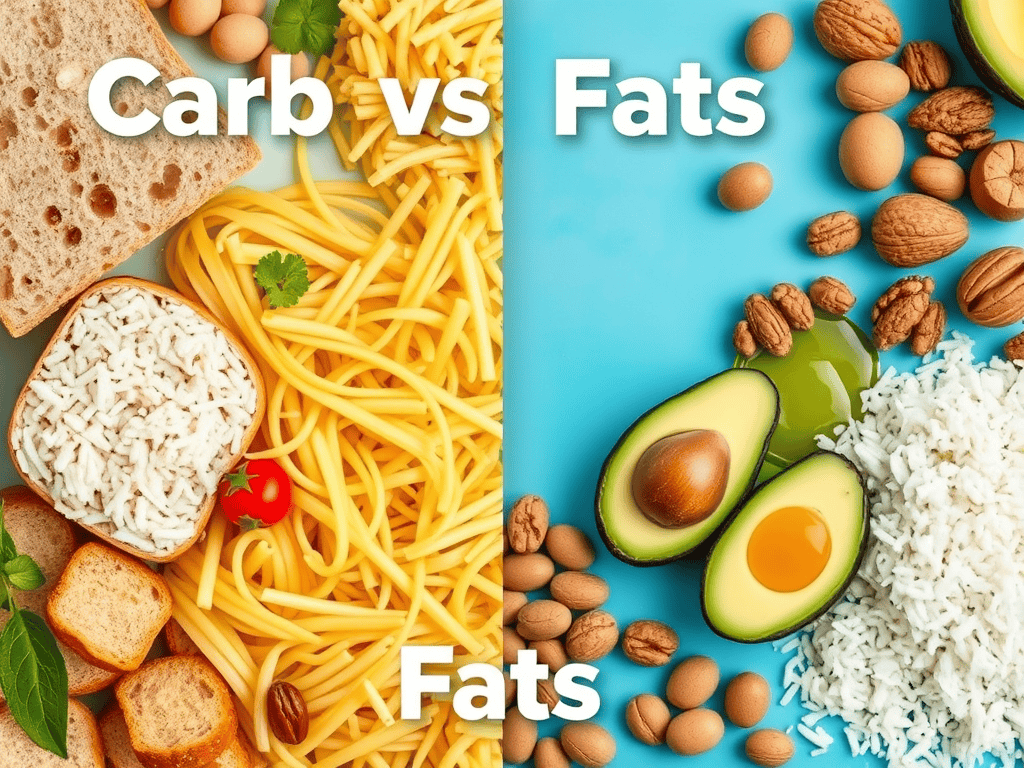
Training Day vs. Off Day Protocol
Want to take this to the next level?
Sync your carb cycling with your training schedule.
This is how physique athletes dial in their body composition.
Training Days (High Carb + Fruit Till Noon):
- 6-8 AM: 200-400g fruit (bananas, dates, mangos, whatever works for you)
- 12 PM: Post-workout meal with rice, potatoes, or oats (lower fat)
- 6 PM: Moderate carbs with lean protein
- 9 PM: a little fruit to top liver glycogen stores, helps reduce cortisol and improve sleep

Your muscles are primed to absorb carbohydrates after training.
Research shows muscle glycogen uptake increases by 300-500% in the 2 hours post-workout.
The fruit gives you quick energy for training.
The post-workout carbs refill your glycogen stores.
FGF21 levels spike, enhancing glucose uptake and fat oxidation (1,4).
Off Days (Low Carb):
- 6-8 AM: Black coffee, green tea, or water only. This is a good time to do an intermittent fast.
- 12 PM: High protein, high fat meal (eggs, avocado, nuts)
- 6 PM: Lean protein with vegetables and healthy fats
This forces your body into fat-burning mode on rest days.
Your insulin sensitivity stays sharp.
Your body learns to efficiently switch between fuel sources.
Studies show this approach can improve body composition more than consistent daily carb intake (6,9).
The magic happens in the contrast.
High carb when you need performance.
Low carb when you need fat loss.
Mike Mentzer’s Carb Philosophy for Muscle Building
Mentzer emphasized that carbohydrates serve one primary purpose for bodybuilders:
Fuel for intense training and recovery.
“Your muscles need glucose to contract with maximum force,” Mentzer would say.
High-intensity training = strategic carb timing becomes crucial.

The fruit till noon for ultimate physique approach aligns perfectly with Mentzer’s philosophy:
- Morning fruit provides readily available glucose for training
- Post-workout carbs maximize recovery and protein synthesis
Mentzer would have loved this approach.
It’s systematic, scientific, and results-driven.
Training to Failure: Why Carbs Are Your Secret Weapon
Here’s what most people get wrong about training intensity.
They think going hard means sweating more.
Wrong.
True intensity means training to muscular failure.
And that’s where carbs become absolutely critical.
What happens when you train to failure:
Your muscles deplete glycogen stores rapidly.
ATP (energy currency) gets used up fast.
Your nervous system demands glucose to maintain signal strength.
Without adequate carbs, you can’t reach true failure.
You hit a wall before your muscles do.
The fruit till noon advantage for high-intensity training:
Morning fruit provides immediate glucose availability.
No digestive stress during training.
Steady energy release throughout your workout.
Fructose specifically refills liver glycogen, supporting glucose output to working muscles.
Research backs this up:
Studies show that athletes with higher muscle glycogen levels can train 15-30% longer at high intensities.
Glucose availability directly correlates with force production capacity.
When glycogen drops below 50% of capacity, strength output decreases significantly.
The post-workout carb window:
After training to failure, your muscles are primed for glycogen uptake.
Insulin sensitivity increases by 300-500% in trained muscle tissue.
This is when you slam the high-glycemic carbs.
Rice, potatoes, dates – whatever gets glucose into those depleted muscles fastest.
This isn’t just about recovery.
It’s about preparing for your next high-intensity session.
Because if you can’t train to failure consistently, you can’t stimulate maximum muscle growth.
And the fruit till noon protocol ensures you never run out of fuel when it matters most.
The Calorie Deficit Reality: Making Fruit Till Noon Work for Weight Loss
Let’s talk about the elephant in the room.
You can follow the perfect fruit till noon protocol and still not lose weight. (Although, I do believe as you continue to prime your metabolism with fruits you will be able to consume more calories)
Why?
Because physics still matters.
Calories in vs. calories out is still the foundation.
FGF21 optimization and meal timing are powerful tools.
But they’re tools to make the deficit easier, not magic bullets.
Setting Up Your Calorie Deficit
Step 1: Calculate your baseline calories
Track your current intake for 7 days.
Don’t change anything.
Just record everything.
This gives you your maintenance calories.
Or use a calorie calculator like this one: Calculate weight loss
Step 2: Create a 300-500 calorie deficit
Start conservative.
Aggressive deficits lead to muscle loss and metabolic slowdown.
500 calories = roughly 1 pound per week fat loss.
300 calories = roughly 0.6 pounds per week.
Weekly Monitoring and Adjustments
Here’s where most people fail:
They don’t track results consistently.
Weekly Weigh-ins (Same Day, Same Time):
Weigh yourself every morning for 7 days.
Calculate the weekly average.
Compare week-to-week averages (ignore daily fluctuations).
Adjustment Protocol:
Lost 1-2 pounds this week?
Perfect. Keep calories the same.
Lost less than 0.5 pounds?
Reduce calories by 150-200 (cut post-workout carbs first).
Lost more than 2.5 pounds?
You’re moving too fast. Add 100-150 calories back.
Weight went up or stayed the same?
Reduce calories by 250-300 immediately.
The 2-Week Rule:
If weight loss stalls for 2 consecutive weeks, it’s time to adjust.
Your body has adapted.
Either reduce calories by 200-250 or add 2 extra cardio sessions. These can be a few long walks or sprints if you are able.
Don’t wait longer than 2 weeks to make changes.
Momentum matters more than perfection.
What to Expect: Timeline and Results
Week 1: Energy stabilization
Week 2-3: Digestive improvements
Week 4-6: Body composition changes
Week 8+: Significant fat loss
Real people are reporting (7,8):
- Higher body temperature (better metabolism), look up Ray Peat for more information
- Faster digestion
- More stable energy
- Reduced cravings
- Better sleep quality
Common Mistakes That Kill Results
Don’t mix fruit with other foods.
Ever. especially with high iron foods. We have enough iron as is.
Don’t go crazy with tropical fruits early on or if your are insulin resistant.
Don’t ignore the 4-hour gap between food categories.
These rules matter.
Break them and you break the protocol.
Who Should Avoid This Approach?
Let’s be real about this:
Diabetics need medical supervision.
Pre-diabetics should start very slowly.
Pregnant or breastfeeding women should skip this.
People with eating disorder history need professional guidance.
Safety first, always.
Frequently Asked Questions
Can I drink coffee during the fruit window?
Black coffee is fine. No milk, no sweeteners except maybe a small amount of raw honey.
What if I get hungry before noon?
Eat more fruit. The goal isn’t restriction – it’s proper food combining and timing.
How much fruit should I eat?
Start with 200-400g and adjust based on hunger and energy levels. Some people eat 600-800g.
Can I exercise during the fruit window?
Absolutely. Many people report better workout performance with fruit as fuel.
What about fiber intake?
Fruit provides plenty of fiber. You’ll get more fiber variety at lunch and dinner.
Can I do this on training days vs. rest days differently?
Absolutely. Use high carb (fruit till noon + post-workout carbs) on training days, and low carb on rest days for optimal body composition.
What if I’m trying to lose weight – do I still need to be in a calorie deficit?
Absolutely. The fruit till noon protocol optimizes how you use calories, but you still need to be in a deficit to lose fat. Track weekly averages and adjust by 150-250 calories based on results.
How long should I follow this protocol?
Start with 30 days and assess. Some people make it a lifestyle, others cycle it.
The Bottom Line on Fruit Till Noon
This isn’t just another diet trend.
The fruit till noon approach has legitimate science backing it up (1,2,3).
FGF21 elevation from strategic carbohydrate timing can genuinely accelerate fat loss (4,5).
Meal timing matters more than most people realize (3,6).
Food combining, while not perfect science, does impact digestion (10).
Is it worth trying for fat loss?
Absolutely.
The risk is minimal.
The potential upside is massive.
Start smart, progress gradually, and listen to your body.
Your metabolism might just thank you.
And remember – the best diet is the one you can stick to long-term while feeling energized and healthy.
The fruit till noon protocol for the ultimate physique might just be that approach for you.
References
- Søberg, S., et al. (2017). “Circulating FGF21 in humans is potently induced by short term overfeeding of carbohydrates.” Molecular Metabolism, 4(1), 1-8.
- Solon-Biet, S.M., et al. (2016). “Defining the nutritional and metabolic context of FGF21 using the geometric framework.” Cell Metabolism, 24(4), 555-565.
- University of Sydney. (2016). “Researchers discover optimal diet to boost life-extending hormone.” Charles Perkins Centre Research.
- Potthoff, M.J., et al. (2012). “FGF21 mediates endocrine control of simple sugar intake and sweet taste preference by the liver.” Cell Metabolism, 23(2), 335-343.
- Laeger, T., et al. (2014). “FGF21 is an endocrine signal of protein restriction.” Journal of Clinical Investigation, 124(9), 3913-3922.
- Badman, M.K., et al. (2007). “Hepatic fibroblast growth factor 21 is regulated by PPARα and is a key mediator of hepatic lipid metabolism in ketotic states.” Cell Metabolism, 5(6), 426-437.
- Dreyer, R. (2024). “Fruit Till Noon Diet Experiment (Tribal Shred Protocol).” Substack Newsletter.
- Itzler, J. (2019). “Fruit Til Noon: 33 Years of Morning Protocol.” Jesse Itzler Official Blog.
- Richter, M.M., et al. (2024). “Effect of a 6-Week Carbohydrate-Reduced High-Protein Diet on Levels of FGF21 and GDF15 in People With Type 2 Diabetes.” Journal of the Endocrine Society, 8(4).
- Tufts University. (2021). “Should fruit be eaten on an empty stomach to ensure proper digestion?” Tufts Health & Nutrition Letter.
Discover more from Maxwell Person
Subscribe to get the latest posts sent to your email.