Your metabolism is slower than it should be.
And you’re scared to eat more because you think you’ll gain weight.
I get it.
But what if I told you the solution is eating MORE, not less?
Learning how to boost your metabolism for weight loss isn’t about cutting more calories.
It’s about strategic eating that ramps up your metabolic rate.
The Problem with Your Current Approach
You’ve been cutting calories for months.
The scale stopped moving.
You’re hungry all the time.
Your energy is gone.
Sound familiar?
Here’s what’s happening:
Your body adapted to the low calories.
Your metabolic rate dropped.
Now you’re burning fewer calories than before.
Studies like the CALERIE trial found that 25% calorie restriction led to metabolic adaptations that persisted for months.
People were burning 100+ fewer calories per day than expected based on their new body weight.
The fix isn’t eating less.
It’s strategic eating more.
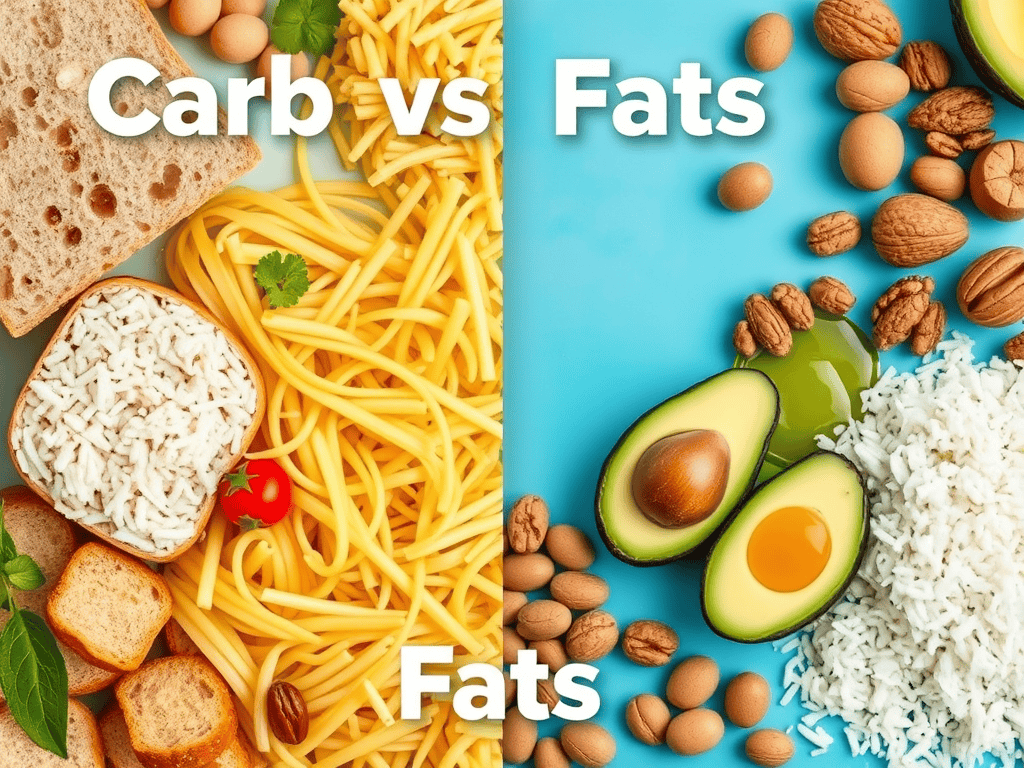
The Fat Macro Strategy That Changes Everything
Most people mess this up.
They cut everything when trying to lose weight.
Carbs go down.
Fats go down.
Protein goes down.
And they wonder why they feel terrible.
Here’s what actually works for how to boost your metabolism for weight loss:
Keep Your Fats Low (But Not Too Low)
Aim for 40 grams of fat per day.
That’s enough for hormone production.
Your body needs some fat to function.
Testosterone production requires it.
Estrogen balance needs it.
Brain function depends on it.
But you don’t need 80-100 grams like some diets suggest.
That’s just extra calories you don’t need right now.
Increase Your Carbs Weekly
This is where the magic happens.
Every week, add 20-30 grams of carbs to your daily intake.
Yes, you read that right.
MORE carbs.
This is the core strategy for how to boost your metabolism for weight loss.
Week 1: Start at your current carb intake
Week 2: Add 20-30g
Week 3: Add another 20-30g
Week 4: Keep building
Your body responds by ramping up metabolic rate.
More food signals abundance.
Your thyroid increases output.
Your NEAT (non-exercise activity thermogenesis) goes up.
You start burning more calories naturally.
This is exactly how to boost your metabolism for weight loss – by strategically adding food, not removing it.

Why This Works (The Science Behind How to Boost Your Metabolism for Weight Loss)
When you eat low calories for too long, your body fights back.
It’s not trying to sabotage you.
It’s trying to keep you alive.
Low energy intake triggers these responses:
• Decreased thyroid hormone production
• Reduced spontaneous movement
• Lower body temperature
• Increased hunger hormones
• Decreased fullness signals
Research shows that calorie restriction reduces your resting metabolic rate by about 7% beyond what you’d expect from tissue loss alone.
This is called metabolic adaptation.
Your body literally burns fewer calories doing the same activities.
The classic Minnesota Starvation Experiment from the 1950s showed this dramatically – men on severe calorie restriction saw their metabolism drop by up to 40%.
By slowly increasing carbs while keeping fats moderate, you reverse this.
This is the foundation of how to boost your metabolism for weight loss.
Carbs are protein-sparing.
They signal energy availability.
They fuel your workouts better than fats.
They keep your thyroid happy.
And here’s the kicker:
As your metabolism increases, you burn more calories doing the same activities.
Walking burns more.
Sitting burns more.
Sleeping burns more.
How I Used This Strategy (Real Example of How to Boost Your Metabolism for Weight Loss)
I was stuck at 1,800 calories.
Not losing weight.
Feeling miserable.
I kept fats at 40g daily.
Started at 150g carbs.
Added 25g each week.
Week 4: I was eating 225g carbs.
Week 8: 325g carbs.
My total calories went from 1,800 to 2,300.
And I was still losing fat.
My energy came back.
My strength increased.
My sleep improved.
My mood stabilized.
The scale weight stayed similar, but my body composition changed dramatically.
Your Action Plan for How to Boost Your Metabolism for Weight Loss
Step 1: Calculate Your Starting Point
Track what you’re eating now for 3 days.
Get your average daily carbs.
Set your fats at 40g.
Keep protein at 0.8-1g per pound of body weight.
Step 2: Add Carbs Gradually
Pick one number: 20g or 30g.
Add that amount weekly.
Don’t rush.
Your body needs time to adapt.
This gradual approach is critical for how to boost your metabolism for weight loss safely and effectively.
Step 3: Choose the Right Carb Sources
Not all carbs are equal for this strategy.
Focus on:
• Rice (white or brown)
• Potatoes
• Oats
• Fruit
• Bread (if you tolerate it)
These digest well and provide steady energy.
Step 4: Monitor These Markers
Weight isn’t the only metric.
Watch for:
• Energy levels
• Sleep quality
• Workout performance
• Body measurements
• How your clothes fit
If you’re gaining strength and energy while measurements stay stable or decrease, you’re winning.
Step 5: Be Patient
This takes 8-12 weeks to really work.
Your metabolism doesn’t flip like a switch.
It’s a gradual rebuild.
Some weeks you might gain a pound or two.
That’s water from the extra carbs.
Not fat.
Don’t panic.
Common Mistakes to Avoid
Increasing Fats Instead of Carbs
Fat is 9 calories per gram.
Carbs are 4 calories per gram.
You get more volume and better performance from carbs.
Stick to the 40g fat limit.
Adding Too Much Too Fast
Going from 150g to 300g carbs overnight will backfire.
You’ll gain unnecessary fat.
Slow and steady wins here.
Forgetting About Protein
Keep protein high throughout this process.
It preserves muscle.
It keeps you full.
It has the highest thermic effect.
Frequently Asked Questions
How long does it take to boost your metabolism for weight loss?
Energy improvements: 1-2 weeks.
Performance gains: 2-4 weeks.
Fat loss at higher calories: 6-8 weeks.
The full metabolic rebuild takes 8-12 weeks to really work.
Your metabolism doesn’t flip like a switch.
It’s a gradual rebuild.
Won’t eating more carbs make me gain weight?
Not if you do it right.
The initial 2-3 pound increase is water weight, not fat.
Carbs cause your muscles to store more glycogen, and glycogen holds water.
As your metabolism increases, you’ll start losing fat at higher calories.
Studies show that metabolic adaptation can persist for years, making weight maintenance difficult at low calories.
Building your metabolism back up gives you flexibility for sustainable fat loss.
What if I’m already eating high carbs?
Check your fat intake first.
If fats are over 60-70g, drop them to 40g.
Then start the weekly carb increases.
Can I do this while strength training?
Absolutely.
This strategy works best with consistent training.
The extra carbs fuel better workouts.
Better workouts build more muscle.
More muscle increases metabolism long-term.
Should I count calories or just macros?
Both.
Macros help you hit the right balance.
Calories tell you total energy intake.
Track both for best results.
The Real Advantage: Cutting from 2,500 Instead of 1,200
Here’s where this strategy becomes genius.
Once your metabolism is running hot at 2,500 calories, NOW you can cut.
This is the final piece of how to boost your metabolism for weight loss.
And cutting from 2,500 is a completely different experience than cutting from 1,200.
Why Higher Calorie Cuts Work Better
When you’re at 2,500 calories, you can drop to 2,200.
That’s a 300-calorie deficit.
You’re still eating 1,000 calories more than when you started.
Compare that to trying to cut from 1,200.
Where do you go?
900 calories?
That’s misery.
That’s not sustainable.
That’s your body shutting down even more.
This approach is called “reverse dieting” and research on athletes suggests that gradually increasing calories after restriction can help restore metabolic rate and hormone levels.
Once restored, you have room to create a deficit without the extreme hunger and fatigue.

The Math Makes Sense
Let’s say you need to lose 10 more pounds.
Option 1: You’re stuck at 1,200 calories.
You drop to 1,000 calories.
You’re tired, hungry, and your workouts suffer.
Your body fights back harder.
Progress is slow and painful.
Option 2: You built up to 2,500 calories.
You drop to 2,000 calories.
You still have plenty of food.
Energy stays high.
Workouts stay strong.
Your body doesn’t panic.
Fat comes off steadily.
Same deficit.
Completely different experience.
You Have Room to Adjust
At higher calories, you have options.
Week 1-2: Cut 200 calories.
Week 3-4: Drop another 100 if needed.
Week 5-6: Add a 20-minute walk.
Week 7-8: Maybe drop another 100 calories.
You’re playing chess, not checkers.
You have moves available.
At 1,200 calories, you’re out of moves before you even start.
The Sustainable Cut
When you cut from higher calories:
• You maintain muscle better
• Your hormones stay more stable
• Your training intensity stays high
• Your social life doesn’t suffer
• You can actually stick to it
This is how professionals do it.
They build metabolism in the off-season.
Then they have room to work with when it’s time to get lean.
The Timeline
Here’s a realistic approach:
Months 1-3: Build metabolism (1,800 to 2,500 calories).
Months 4-5: Maintain at 2,500 calories.
Months 6-8: Cut to 2,000-2,200 calories.
Results: You’re leaner than when you started, eating way more, and you didn’t suffer.
The patience pays off.
The Bottom Line on How to Boost Your Metabolism for Weight Loss
Eating less isn’t always the answer.
Your body is smarter than you think.
It adapts to restriction by slowing down.
The solution is strategic increases.
Keep fats at 40g for hormone support.
Add 20-30g of carbs weekly.
Watch your energy skyrocket.
See your performance improve.
And burn more calories doing everything.
Then, when you’ve built your metabolism back up, you have the room to cut properly.
It’s easier to cut from 2,500 calories than from 1,200.
You’ll have more energy, better workouts, and sustainable results.
This is how to boost your metabolism for weight loss without feeling deprived.
This is how you build a sustainable approach.
This is how you actually win long-term.
Start today.
Add those carbs.
Trust the process.
Now you know exactly how to boost your metabolism for weight loss.
Discover more from Maxwell Person
Subscribe to get the latest posts sent to your email.