How to Detox Your Body: Expert Tips for a Healthier You
Everyone is looking for ways to detox and cleanse their bodies, and there are a million different methods out there. How do you know which one is right for you? In this blog post, we will discuss all aspects of detoxing the body – from the environment to your gut! We will also provide tips on how to detox safely and effectively. So whether you’re looking to detox for health reasons or just to feel better, we have you covered!
I didn’t get into detoxing because I read a wellness blog.
I got into it because I was 24 years old and couldn’t get off the couch. Fatigue so bad I stopped working out. Doctors ran every test and told me I was fine. I wasn’t fine.
What followed was years of trial, error, and a lot of money spent figuring out what actually moves the needle. This guide is the distilled version of that — organized in the order I wish someone had given me.
Most detox content online is either too vague (“drink more water!”) or too aggressive (jumping straight to chelation without addressing the basics). The reality is that detox is a layered process. You start with your environment, move to your gut, then support your body’s natural elimination systems. Do it in the wrong order and you’ll feel worse, not better.
Here’s what actually works, and why.
Why Detox at All?
The word “detox” gets abused by the wellness industry, so let’s be precise about what we’re actually talking about.
Your body has built-in detoxification systems — primarily your liver, kidneys, lymphatic system, and skin. These work around the clock to process and eliminate everything from metabolic waste to environmental chemicals. The problem is that modern toxic load — heavy metals, plastics, mold mycotoxins, pesticides, endocrine disruptors — can outpace what these systems were designed to handle.
This isn’t a fringe theory. The CDC’s National Biomonitoring Program has found measurable levels of hundreds of environmental chemicals in the average American’s blood and urine. The question isn’t whether toxins accumulate — it’s how to support your body’s ability to clear them.
Done properly, detoxification is about removing sources of toxic exposure and then supporting your body’s elimination pathways so they can do their job. That’s it. No magic cleanses required.
How To Detox Your Body?
There are many different ways to detox your body, and the best way for you depends on your individual needs. I think its best to start with the environment (low hanging fruit) and then move to the gut, as nutrition plays a significant role in this process. Once the gut is healed and sealed, you can progress to more substantial detox methods.
Step 1: Environmental Detox
Before you do anything else — before binders, gut work, or sauna — you need to stop the incoming fire.
Your body has a finite capacity to detox. When you’re living and sleeping in an environment that’s actively exposing you to toxins 24 hours a day, you’re fighting a losing battle no matter how many supplements you take. Environmental toxic load is the thing most people skip because it’s less exciting than protocols and products. It’s also why a lot of protocols don’t stick.
Start here. It’s the lowest-hanging fruit in the whole guide.
Get an Air Purifier
You spend roughly a third of your life inside your home, breathing whatever is in the air there. Most people assume their indoor air is cleaner than the air outside. It’s usually the opposite.
A systematic review published in PMC analyzing 141 studies across 29 countries found that indoor VOC concentrations regularly exceed outdoor levels, with high indoor particulate matter and VOC levels consistently linked to respiratory symptoms, cardiovascular illness, allergic reactions, and cancer risk. Sources are everywhere: furniture off-gassing formaldehyde, gas stoves producing nitrogen dioxide, cleaning products releasing VOCs, candles and incense generating particulate matter.
A quality HEPA air purifier is the single most impactful thing you can add to your home environment. A PubMed study testing a commercial air purifier found it reduced PM10 by about 90% and PM2.5 by about 80%, with a greater than 50% reduction in VOC concentrations.
What to look for: true HEPA filtration (not “HEPA-like”), activated carbon filter for VOCs and gases, and a unit sized appropriately for your room. Run it continuously in the bedroom because that’s where you’re most stationary for the longest stretch.
Additional air quality steps:
- Open windows daily when outdoor air quality is decent, even 10-15 minutes flushes stale air
- Replace HVAC filters every 1-3 months
- Remove synthetic air fresheners and plug-in scents, these are VOC sources, not air cleaners
- Consider an air quality monitor (Airthings and Aranet are solid options) so you can see what you’re actually dealing with
Use an Essential Oil Nebulizer
A cold-air essential oil nebulizer disperses essential oil particles directly into the air without heat, preserving their bioactive compounds.
Several essential oils have documented antimicrobial and antifungal properties in the air. Oregano, tea tree, eucalyptus, and clove have all shown activity against airborne pathogens and mold spores in lab settings. This isn’t a replacement for a real air purifier, but as a complementary tool in a bedroom or living space it adds a layer of air quality support that a HEPA filter alone doesn’t provide.
Use a nebulizer rather than a diffuser if you want genuine therapeutic concentration. Diffusers that use water dilute the oil significantly. A nebulizer puts pure oil particles into the air at a much higher concentration.
Start with 15-20 minute sessions. Eucalyptus and frankincense are good starting points — antimicrobial without being overpowering. Avoid synthetic “fragrance oils” — those are exactly the kind of VOC sources you’re trying to reduce.
Filter Your Water
Tap water in most US municipalities contains chlorine, fluoride, pharmaceutical residues, agricultural runoff, and often trace heavy metals — particularly lead, which leaches from aging pipes. If your home was built before 1986, lead pipes or lead solder in your plumbing is a real concern.
The CDC’s National Biomonitoring Program has detected measurable levels of heavy metals and industrial chemicals in the blood and urine of the general US population — much of it coming from contaminated water supplies over time.
Filter options ranked by thoroughness:
- Carbon block filter (Berkey, Clearly Filtered) — removes chlorine, chloramines, heavy metals, pesticides, and most pharmaceuticals. Doesn’t strip minerals. Best balance of effectiveness and practicability for most people.
- Reverse osmosis — the most thorough option, removes essentially everything including fluoride. The downside: it also strips beneficial minerals, so you’ll want to remineralize the water afterward (trace mineral drops or a remineralization filter stage).
- Shower filter — often overlooked. You absorb chlorine and chloramine through skin and inhale steam during a shower. A basic KDF shower filter handles most of this.
Avoid bottled water as a long-term solution — it’s expensive, contributes to plastic waste, and often isn’t tested more rigorously than tap. If you’re concerned about plastics specifically, see the full breakdown: How to Detox Plastics From Your Body.
Eliminate Plastic Exposure
Plastics leach endocrine-disrupting chemicals — BPA, phthalates, and related compounds — into food and water, particularly when heated or when the plastic is scratched or degraded.
The exposure routes people miss most often:
- Heating food in plastic containers or plastic wrap
- Drinking from plastic bottles that have been left in a hot car
- Using scratched non-stick cookware (PTFE degrades with heat and scratching)
- Plastic cutting boards (microplastics directly into food with every cut)
Simple swaps: glass or stainless steel water bottles, glass food storage containers, cast iron or stainless cookware, and wooden or bamboo cutting boards. These don’t need to happen all at once — replace as things wear out.
Switch to Non-Toxic Cleaning Products
Standard cleaning products are some of the worst VOC sources in most homes. Drain cleaners, oven cleaners, air fresheners, and antibacterial sprays contain compounds linked to respiratory disease, hormone disruption, and cancer at long-term exposure levels.
The good news: you don’t need any of them.
Simple DIY swaps:
- All-purpose cleaner: 1 cup water + ½ cup white vinegar + 1 tbsp castile soap in a spray bottle
- Natural disinfectant: 1 cup water + ¼ cup lemon juice + 1 tbsp castile soap
- Scouring powder: 1 cup baking soda + ½ cup washing soda + 1 tbsp castile soap
If you prefer buying over making, Branch Basics and Seventh Generation are solid options that don’t load the air with synthetic fragrances and VOCs.
The same logic applies to personal care products — deodorant, shampoo, lotion. The skin is a permeable surface and what you put on it ends up in your bloodstream. The EWG’s Skin Deep database is a useful reference for checking product toxicity scores.
Switch Your Lighting at Night
This one sits at the intersection of environmental detox and circadian health, and it’s underappreciated.
Your body’s master clock — the suprachiasmatic nucleus in the hypothalamus — is set by light. Specifically blue light, in the 460-480nm wavelength range. Exposure to blue light at night signals your brain that it’s daytime, suppressing melatonin production and delaying sleep onset.
A study published in the Journal of Applied Physiology found that blue LED light produced dose-dependent melatonin suppression in humans. A 2025 PMC study comparing red and blue LED light directly found that after two hours of evening exposure, blue light held melatonin levels at 7.5 pg/mL while red light allowed recovery to 26 pg/mL — a meaningful difference for sleep quality and overnight repair.
Harvard researchers found blue light suppressed melatonin for roughly twice as long as green light and shifted circadian rhythms by twice as much.
What this means practically:
After sunset, switch to red or amber lighting. Incandescent bulbs and salt lamps emit in the red-orange spectrum and don’t significantly suppress melatonin. Standard LED and fluorescent lighting is heavily blue-shifted and does.
Avoid screens 1-2 hours before bed or use blue-blocking glasses (genuine amber-tinted lenses, not the decorative clear ones) if you need to be on devices in the evening.
Turn off or dim overhead lights in the evening and use floor lamps or desk lamps with warm-spectrum bulbs instead.
Your melatonin cycle matters for detox — melatonin is a potent antioxidant and part of your body’s nightly cellular repair process. Disrupting it by sitting under cool-white LED lighting until midnight blunts that whole process.
Turn Off WiFi at Night
The research on non-ionizing electromagnetic frequency (EMF) exposure from WiFi and devices is less settled than the lighting research above — but the precautionary case is reasonable, and the cost of turning off your router at night is essentially zero.
What we do know: WiFi routers and devices emit radiofrequency electromagnetic fields continuously. Sleep is your primary recovery and detox window. Reducing non-essential EMF exposure during that window — when your body is supposed to be running repair processes — is a low-effort habit worth building.
The practical fix: put your router on a smart plug with a timer set to switch off at bedtime and back on in the morning. Takes five minutes to set up, you won’t notice it’s gone once it’s routine, and you’ve eliminated one ongoing source of exposure during the 7-9 hours your body most needs to focus on recovery.
Keep your phone out of the bedroom, or at minimum in airplane mode overnight.
Address Mold
If mold is present in your home, nothing else in this guide will work the way it should. This is the most critical environmental factor I know of personally, and the research backs it up.
A 2018 review in Clinical Therapeutics drawing on 150 studies found that exposure to mold and mycotoxins affects the nervous system, immune system, and musculoskeletal system. Mold-exposed individuals show altered neurological functioning including changes in reaction time, memory, and balance. A 2021 PMC review found mycotoxins exacerbate autoimmune disorders and chronic inflammatory disease in immunologically susceptible individuals.
Mycotoxins — the toxic metabolites mold produces — are inhaled, ingested, and absorbed through the skin. They can alter the blood-brain barrier, trigger neuroinflammation, and drive the kind of chronic immune activation that makes every other health issue harder to resolve.
How to identify mold:
- Water stains, warping, or discoloration on walls, ceilings, or floors
- Musty or damp smell in specific areas of the home
- Visible black, green, or white patches in high-moisture areas (bathrooms, basements, under sinks)
- Symptoms that improve when you leave home and return when you come back
Testing: DIY mold plates from hardware stores give a rough indication. For a real answer, an ERMI (Environmental Relative Moldiness Index) test or a professional certified mold inspector gives accurate data on species and concentration.
If you find it: contain the affected area, remove contaminated materials, clean and dry thoroughly, address the moisture source or it will return. Severe infestations warrant professional remediation.
For a full protocol on what to do after mold exposure and how to detox mycotoxins from your body: Total Toxin Burden Results: Mold Off The Charts
Detox Your Cosmetics and Personal Care Products
Your skin absorbs a meaningful fraction of what you apply to it. Most conventional cosmetics, deodorants, shampoos, and lotions contain parabens, phthalates, synthetic fragrances, and other compounds that act as endocrine disruptors at chronic low-level exposure.
The shift doesn’t have to be dramatic. Start with the products you use most frequently and that cover the most skin surface area — body lotion, deodorant, and shampoo are the highest-leverage swaps.
Look for products with short, recognizable ingredient lists. The EWG Skin Deep database lets you check the toxicity rating of specific products and ingredients. A rating of 1-2 is clean; 7-10 is worth replacing.
Before we dive into the world of internal detoxification, it’s essential to address the elephant in the room: the toxins that surround us. Our environment plays a significant role in our overall health, and it’s crucial to create a safe and healthy diet space that supports our well-being. In this article, we’ll explore the importance of detoxing your environment and provide practical tips to help you get started.
Step 2: Optimize Your Innate Detox Systems
Sleep: Your Body’s Nightly Detox Cycle
Sleep isn’t just rest. It’s when your body runs its most important detox process — and skipping it undermines everything else in this guide.
In 2013, researchers at the University of Rochester discovered the brain’s glymphatic system — a network of channels that flush toxic waste products from brain tissue during sleep. Studies have since confirmed that this system is up to 90% less active during wakefulness than during sleep, meaning the brain essentially has to wait until you’re asleep to clean itself. [1, 2]
What’s being flushed? Among other things, amyloid-beta — the same protein that accumulates in the brains of Alzheimer’s patients. Poor sleep doesn’t just make you foggy the next day; over years, it may contribute to the buildup of neurotoxic proteins that drive neurodegeneration. [3]
For detox purposes: 7-9 hours isn’t a suggestion, it’s a biological requirement. Sleep position may also matter — some research suggests lateral (side) sleeping enhances glymphatic drainage compared to sleeping on your back. [4]
If you struggle with sleep quality, see my full breakdown here: 101 Sleep Tips
The Consequences of Poor Sleep
Unfortunately, many people do not get enough sleep, leading to a range of negative consequences, including:
- Impaired cognitive function and memory
- Weakened immune system
- Increased inflammation and oxidative stress
- Decreased energy and mood disturbances
Tips for Improving Sleep
If you’re struggling with sleep issues, don’t worry! There are many natural ways to improve the quality of your sleep. Check out this article on sleep tips to learn more about:
- Establishing a consistent sleep schedule
- Creating a relaxing bedtime routine
- Optimizing your sleep environment
- Managing stress and anxiety
By prioritizing sleep and incorporating these tips into your daily routine, you can improve the quality of your rest and wake up feeling refreshed, revitalized, and ready to take on the day!
Hydration: The Simplest Thing Most People Underdo
Your kidneys filter around 200 liters of blood per day. Without adequate water, they can’t do this efficiently and toxins recirculate rather than getting excreted through urine.
There’s nothing complicated here. Aim for half your body weight in ounces of water daily — more if you’re sweating regularly or doing sauna. Add a pinch of sea salt or trace minerals if you’re drinking a lot of filtered water, since pure water can deplete electrolytes over time.
One thing worth noting: the source of your water matters. Tap water in most US municipalities contains chlorine, fluoride, and often trace pharmaceuticals and agricultural runoff. A solid carbon block filter (like Berkey or similar) removes most of these without stripping beneficial minerals the way reverse osmosis does.
Exercise More
Exercising is an easy and effective way to release sweat and get your blood pumping, which helps your body eliminate toxins through your skin, lungs, and stool. Regular physical activity can have a profound impact on your overall health, and it’s an excellent way to support your body’s natural detoxification processes.
Your lymphatic system is your body’s built-in waste removal highway.
Unlike your cardiovascular system, it has no pump. No heart to push fluid around. It moves entirely through muscle contractions, breathing, and gravitational pressure.
When it’s flowing well, it’s quietly picking up cellular debris, pathogens, and metabolic waste — shuttling it to your lymph nodes where immune cells can deal with it.
When it’s sluggish — which happens when you sit all day, breathe shallowly, or are under chronic stress — waste accumulates in the tissue. You feel puffy, foggy, and run down.
Here’s how to keep it moving.
Rebounding
A mini-trampoline is one of the most accessible tools for lymphatic support, and it works for a simple mechanical reason: your lymphatic system relies on changes in gravitational pressure to open and close its one-way valves.
When you bounce, each landing compresses the valves. Each lift opens them. The rhythm of up-down-up-down essentially pumps lymph fluid upward through the body in a way that most other exercise doesn’t replicate.
The direct evidence for rebounding specifically improving lymph flow in healthy people is limited — most lymphatic drainage studies focus on clinical populations with lymphedema. What we do know is that physical movement is the primary driver of lymph circulation, and rebounding is an extremely low-impact way to generate full-body muscle contraction repeatedly. A 2024 scoping review published in PMC confirmed that mini-trampoline exercise meaningfully improves circulation, blood pressure, and metabolic markers — all of which support lymphatic function indirectly.
Even 10 minutes a day is worth building into your routine. Gentle, low-amplitude bouncing with feet barely leaving the surface is enough to get the valves moving.

Lymph Massage
Manual lymphatic drainage (MLD) is a specialized massage technique using light, rhythmic strokes to physically move lymph fluid toward your lymph nodes for clearance.
The key word is light. This is nothing like a deep tissue massage. Too much pressure collapses lymphatic vessels and makes things worse. The strokes are almost uncomfortably gentle — like moving tissue paper across skin.
The clinical evidence is solid for people with compromised lymphatic systems. A randomized controlled trial published in PubMed found MLD significantly reduced excess limb volume and improved quality of life in patients with lymphedema. A 2022 systematic review further confirmed that early-stage MLD following breast cancer surgery reduced progression to clinical lymphedema.
For people without existing lymphatic conditions, the research is more mixed — UCLA Health notes that a healthy lymphatic system largely takes care of itself, and MLD’s benefits in healthy people are less well documented. That said, many people report tangibly reduced puffiness and better energy after sessions, and the mechanism is plausible enough to make it worth trying.
If you want to learn self-massage: look up Perry Nickleston’s “Big 6” lymphatic sequence on YouTube. He’s a chiropractor who has done more to popularize practical lymphatic work than anyone else in this space. The sequence takes about 5 minutes and targets the major lymph node clusters — starting at the neck, then armpits, abdomen, and groin. It’s become a daily habit for a lot of people in the chronic illness and detox communities, and it’s completely free to learn.
Dry Brushing
Dry brushing uses a stiff-bristled brush on dry skin, always moving toward the heart.
The mechanical pressure on the skin’s surface stimulates the superficial lymphatic vessels that run just below it. It also exfoliates dead skin cells, which improves the skin’s role as an elimination organ.
Technique matters: use light pressure, short strokes, always brushing in the direction of lymph flow toward your heart. Start at the feet and work upward. Do it before a shower so you can rinse off what you’ve loosened.
Five minutes is enough. Three to four times a week.
Vibration Plate
A vibration plate generates rapid, low-amplitude mechanical vibrations through the body — typically 25-50 Hz. The effect on the lymphatic system is similar to rebounding: repetitive gravitational changes that stimulate lymphatic valve cycling without requiring active movement.
This makes it useful for people who are fatigued, recovering from illness, or otherwise unable to exercise at normal intensity. You can stand on it, sit on it, or even do light exercises on it. The body does a lot of the work passively.
On a related note — if you’re dealing with lower limb lymphatic congestion specifically, compression boots use pneumatic compression to systematically push fluid upward through the legs. Designed for athletic recovery but they work on the exact same mechanical principle as manual lymphatic drainage.
Legs Up the Wall
This one costs nothing.
Lie on your back, swing your legs up against a wall, and stay there for 5-15 minutes.
Gravity reverses the normal pooling of fluid in the lower legs and feet, draining lymph and venous blood back toward the core where it can be processed more efficiently. It’s particularly effective at the end of a day spent on your feet or sitting at a desk.
It also activates the parasympathetic nervous system — your rest-and-digest state — which matters because chronic stress constricts lymphatic vessels. You can’t efficiently drain lymph in fight-or-flight mode. This is one reason breathing exercises pair so well with lymphatic support.
Hot Baths
Heat causes vasodilation — blood vessels and lymphatic vessels expand, flow increases, and fluid moves through the body faster.
A hot bath at 102-105°F for 20-30 minutes hits several systems at once: increased lymph flow, mild sweating, relaxation of the nervous system, and if you add Epsom salts, transdermal magnesium absorption on top of it.
Add 1-2 cups of Epsom salt. Drink water before and after. Don’t make it so hot you feel lightheaded.
Herbs That Support Lymphatic Flow
These aren’t replacements for the mechanical approaches above — movement is the primary driver of lymph flow. But they can support the overall system, especially during a more intensive detox period.
- Calendula — Used traditionally as a lymphatic herb and anti-inflammatory. Research supports its anti-inflammatory and tissue-healing properties, which may support lymph node function in areas of chronic inflammation.
- Echinacea — Well-studied as an immune modulator. It works partly through the lymphatic system — stimulating lymphocyte activity and supporting the nodes where immune surveillance happens. A 2015 review in PMC covers its mechanisms in detail.
- Dandelion — A natural diuretic that reduces fluid retention and supports liver function, both of which take pressure off the lymphatic system. Drink it as a tea or find it in tincture form.
- Cleavers (Galium aparine) — One of the most traditionally used lymphatic herbs in Western herbalism, often taken as a cold-water infusion or tincture. Historically used specifically for lymph node swelling and skin conditions linked to sluggish lymph.
- Red Clover — Contains isoflavones and has traditional use as a lymph-moving herb, particularly in combination protocols for chronic illness and detox support.

Binders: Why They’re Non-Negotiable
Most detox protocols fail for one reason: they mobilize toxins without a way to get them out.
Here’s what happens. Your liver processes fat-soluble toxins and packages them into bile. That bile gets released into your small intestine. In a healthy system, the bile gets reabsorbed further down the tract — but so do any toxins still hitching a ride on it. This is called enterohepatic recirculation, and it’s why aggressive detox approaches (chelators, sauna, antimicrobials) can leave you feeling worse instead of better.
Binders interrupt this cycle. They grab toxins in the gut before reabsorption happens and escort them out through the stool.
I run a binder any time I’m doing something that stimulates detox. It’s not optional — it’s part of the protocol.
The other thing worth knowing: no single binder covers everything. Different binders have affinities for different toxins. Heavy metals, mycotoxins, endotoxins, bile acids — each has a binder that works best for it. Knowing the difference matters.
Here’s a breakdown of what I’ve used and what the research shows. Each one has a dedicated deep-dive article linked below.
Bentonite Clay
Bentonite is a negatively charged volcanic clay that binds positively charged toxins — particularly mycotoxins and some heavy metals — through electrostatic attraction and physical entrapment in its layered structure.
The research on mycotoxin binding is solid. A PMC review confirmed bentonite’s ability to bind aflatoxins and T-2 mycotoxins, with one human study showing a 55% reduction in aflatoxin markers after five days of use. A 2020 PMC study characterized its binding mechanisms in detail, showing high-capacity aflatoxin sorption across different pH ranges.
Worth knowing: bentonite is better at binding some mycotoxins (aflatoxins, DON) than others (ochratoxin A). It also can’t travel beyond the gut, so it only captures what’s in your intestinal tract at the time of ingestion.
Can be used internally as a drink, topically on skin, in a bath, or as part of oil pulling. Full guide: Bentonite Clay Detox | Bentonite Clay for Teeth
Activated Charcoal
Activated charcoal works differently from clay. Instead of electrostatic binding, it uses physical adsorption — toxins get trapped in the millions of tiny pores across its enormous surface area (roughly 950-2000 m² per gram).
It’s well-established in emergency medicine for acute poisoning — NIH StatPearls confirms it’s the most commonly used method of gut decontamination for acute toxin exposure. Most effective within an hour of ingestion, though research supports utility up to 4 hours for some substances.
Two important caveats for regular use: activated charcoal doesn’t bind heavy metals well (iron, lead, lithium largely pass through), and it will bind medications and nutrients alongside toxins. Space it at least two hours from anything else you’re taking.
Best used situationally — after a suspect meal, during a die-off reaction, or when you’ve had a clear exposure event — rather than as a daily supplement.
Zeolite
Zeolite is a naturally occurring mineral with a rigid, cage-like structure and a strong negative charge. That charge attracts positively charged toxins — particularly heavy metals like lead, cadmium, and mercury — and traps them inside the structure.
What sets zeolite apart from clay: it also binds histamine in the gut, which makes it useful if you’re dealing with histamine intolerance alongside a toxic burden. That’s a combination that comes up a lot in mold illness and gut dysbiosis cases.
Full guide: Zeolite Benefits
Modified Citrus Pectin (MCP)
Modified citrus pectin is my top pick for children, and one of the gentlest options available for adults too.
Regular citrus pectin is too large to leave the gut. MCP is processed down to a low molecular weight, which allows it to absorb into the bloodstream — meaning it can bind heavy metals circulating in the blood and tissues, not just the gut.
The clinical evidence here is meaningful. A 2006 human study published on PubMed found that after six days of MCP, urinary excretion of arsenic increased 130%, cadmium 150%, and lead by a near-significant margin. A 2008 clinical study in hospitalized children with toxic lead levels showed an average 161% decrease in blood lead serum levels with no adverse effects reported. Five adult case reports documented an average 74% decrease in heavy metal burden using MCP alone or combined with alginates.
Unlike pharmaceutical chelators, MCP doesn’t appear to strip essential minerals at standard doses — which is a meaningful advantage for long-term or pediatric use.
Chlorella
Chlorella is a single-celled green algae and one of the few binders that works bidirectionally — binding toxins in the gut while also mobilizing metals stored in soft tissue.
Its binding capacity comes from a combination of factors: the cell wall binds heavy metals directly, chlorophyll supports liver detox pathways, and its constituent compounds have shown activity against mercury, lead, arsenic, and pesticide residues.
Worth noting: chlorella needs to be broken-cell-wall for the binding properties to be bioavailable. Most cheap chlorella supplements aren’t. Quality matters here more than with most supplements.
Diatomaceous Earth
Diatomaceous earth (DE) is made from the fossilized remains of tiny aquatic organisms called diatoms. Its porous, silica-rich structure traps toxins mechanically as they pass through the gut.
The silica content gives it a specific affinity for aluminum — silica binds aluminum and facilitates its excretion, which is relevant given how ubiquitous aluminum exposure is (cookware, antiperspirants, processed food, water treatment).
One important limitation: prolonged daily use can reduce IgA levels over time — IgA being a key antibody in your gut’s mucosal immune defense. Cycle it rather than using it continuously. Two to three weeks on, a week off is a reasonable approach.
Enterosgel
Enterosgel is a silicon-based gel binder that’s particularly effective against endotoxins — the bacterial lipopolysaccharides (LPS) that leak through a compromised gut barrier and trigger systemic inflammation.
If you have leaky gut alongside a heavy toxic burden, Enterosgel is worth considering specifically because of this endotoxin binding capacity. It also contains silica, adding some aluminum-binding action on top of its primary mechanism.
It’s gentle on the gut and doesn’t significantly bind nutrients, making it one of the better options for sensitive individuals who react to clay-based binders.
Chitosan
Chitosan is derived from the exoskeletons of shellfish and has shown binding affinity specifically for mycotoxins — ochratoxin in particular, which is one of the harder mycotoxins to bind with clay-based options.
Lab studies suggest it binds around 27% of trichothecene mycotoxins and performs better against ochratoxin than most clays do. Think of it as a complement to bentonite rather than a replacement — they cover different parts of the mycotoxin spectrum.
Avoid long-term use: chitosan can bind fat-soluble nutrients and disrupt gut bacteria balance over extended periods. Use it in targeted protocols rather than as a daily supplement. Also avoid if you have a shellfish allergy.
A note on timing: Take binders away from food, medications, and other supplements — ideally 30-60 minutes before a meal or two hours after. If you’re using multiple binders, you can rotate them rather than stacking everything at once.
If you want to know what toxins you’re actually carrying before choosing a binder stack, the Total Tox Burden test is worth looking at — it screens for heavy metals, mold toxins, and environmental chemicals in one panel.
Step 3: Detox Your Gut
Your gut is where most toxin exposure happens — and where most detox either succeeds or fails.
Everything you eat, drink, and swallow passes through 25+ feet of intestinal tissue before it either gets absorbed or eliminated. When that lining is compromised — what’s called intestinal hyperpermeability, or leaky gut — toxins, bacterial fragments, and partially digested food pass directly into the bloodstream. Your immune system sees these as foreign invaders and mounts a response. That’s the chronic, low-grade inflammation that sits behind so many modern health problems.
This is why you can’t just do a liver cleanse and call it done. If your gut barrier is compromised, toxins are entering circulation faster than your liver can process them. The gut comes first.
The sequence that makes sense: remove biofilm → clear pathogens → bind and eliminate → rebuild the barrier → reintroduce beneficial bacteria. Each step sets up the next. Skip one and the whole protocol is weaker for it.
Remove Biofilm First
Most people go straight for the kill — antimicrobials, antifungals, probiotics — without dealing with biofilm first. That’s why so many gut protocols produce mediocre results.
Biofilm is a protective matrix that bacteria and fungi build around themselves. It’s made of proteins, polysaccharides, and extracellular DNA — think of it as a fortress wall. Inside it, pathogens can resist antibiotics at concentrations up to 1,000 times higher than what would kill them in open water. Your immune system largely can’t see them either.
The fix is proteolytic enzymes — specifically serrapeptase and nattokinase. These enzymes break down the protein components of the biofilm matrix, exposing the pathogens inside to your immune cells and to antimicrobial agents.
The research here is solid. A 2023 study published in Applied Microbiology and Biotechnology found serrapeptase inhibited biofilm formation in both methicillin-susceptible and methicillin-resistant Staphylococcus aureus, with the enzyme reducing biofilm by over 90% at certain concentrations. A PMC review of serrapeptase applications confirmed its anti-biofilm, anti-inflammatory, and fibrinolytic effects across multiple clinical contexts. Nattokinase, derived from fermented soybeans, degrades fibrin within the biofilm matrix — essentially pulling apart the structural scaffolding that holds the whole colony together.
Take enzymes on an empty stomach. If you take them with food, they’ll digest your meal instead of the biofilm. First thing in the morning or well between meals is ideal.
NAC (N-acetyl cysteine) is another useful biofilm disruptor — it breaks the sulfur bonds in the matrix and is particularly effective in the upper respiratory tract and sinuses, which are often connected to gut dysbiosis in mold illness cases.
Clear Pathogens: Natural Antibacterials and Antifungals
Once biofilm is disrupted, you need something to deal with what’s exposed. Natural antimicrobials work differently from pharmaceutical antibiotics — they tend to be broad-spectrum, work through multiple mechanisms, and carry a much lower risk of driving resistance.
Berberine is the one I’d put at the top of the list. It has antibacterial, antifungal, and anti-biofilm activity across a wide range of gut pathogens. A 2014 clinical study found herbal therapy containing berberine was equivalent to rifaximin — the pharmaceutical gold standard for SIBO treatment — in clearing small intestinal bacterial overgrowth. A PubMed study on berberine vs. Candida found it inhibited Candida biofilm viability by up to 97% in vitro. A PMC review of berberine’s effects on gut microbiota confirmed direct antibacterial activity against E. coli, Staph, Candida, and C. difficile.
Oregano oil — the active compound is carvacrol — disrupts bacterial cell membranes and has shown strong antifungal activity against Candida species. Used at therapeutic doses for 4-6 weeks as part of an antimicrobial rotation.
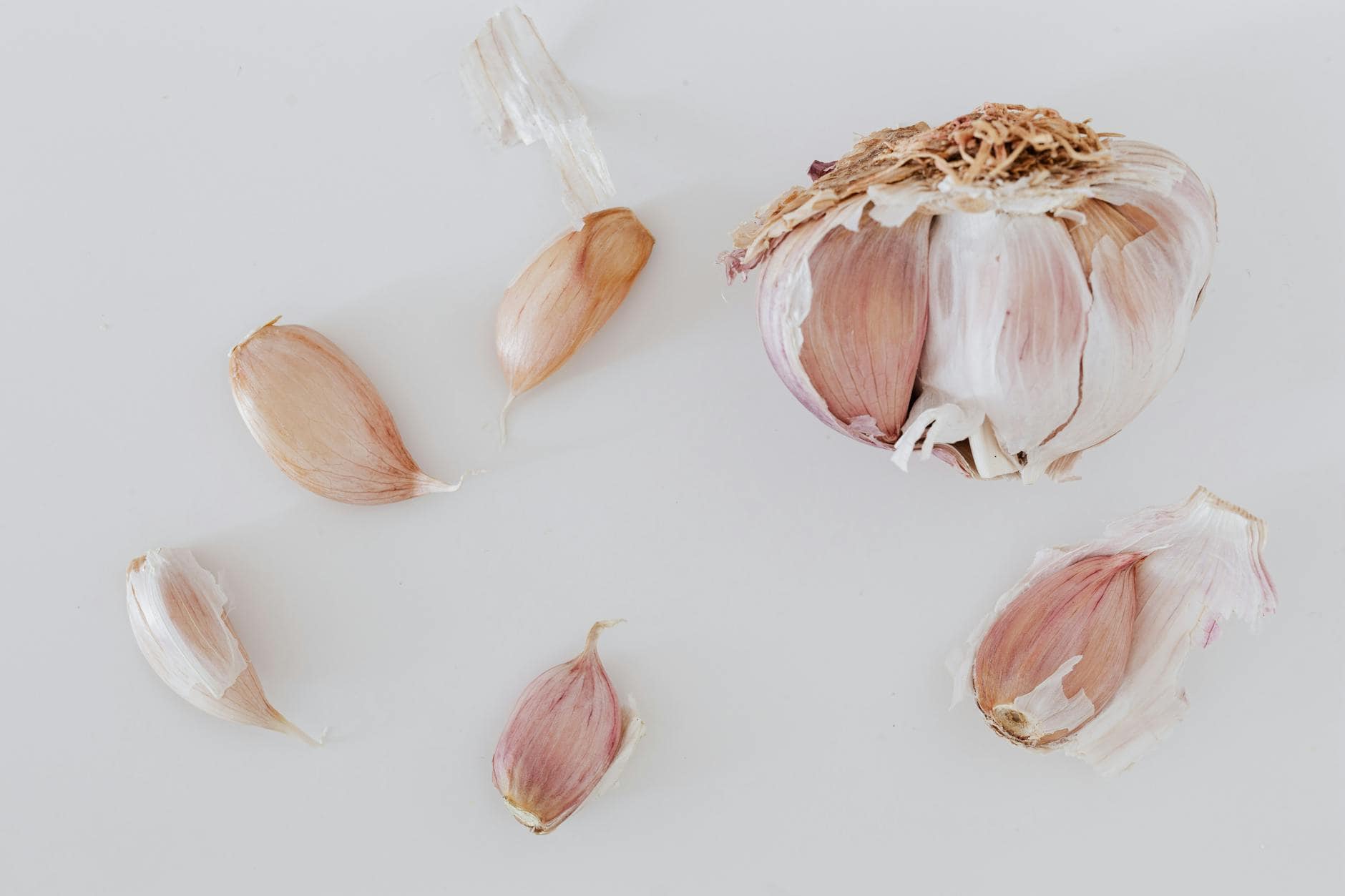
Garlic (allicin) — the sulfur compound allicin is both antibacterial and antifungal, targets biofilm structures, and has been shown to improve gut microbiota balance when combined with probiotics.
Caprylic acid — a medium-chain fatty acid found in coconut oil with well-documented antifungal properties, particularly against Candida overgrowth in the colon.
A few things worth knowing: natural antimicrobials can still cause die-off reactions — Herxheimer responses where you feel temporarily worse as pathogens are killed and release endotoxins. This is exactly why binders need to run alongside antimicrobials, not after. Keep your binder schedule consistent during any antimicrobial protocol.
Increase Bile Flow
Bile isn’t just for digesting fats — it’s a major detox pathway. Your liver packages fat-soluble toxins into bile, which then gets released into the small intestine for elimination. When bile flow is sluggish, those toxins either get reabsorbed or back up, adding to your liver’s burden.
Signs of sluggish bile: light-colored stools, bloating after fatty meals, right-side discomfort under the ribcage, and a general feeling of being unable to tolerate rich foods. If you recognize these, your bile flow deserves attention before you layer on heavier detox approaches. Check out signs of a sluggish liver for a deeper look.
Ways to support bile flow:
- Bitter herbs are the most direct approach — dandelion root, artichoke leaf, and gentian stimulate bile production through the bitter reflex. Take them 15-20 minutes before meals for best effect.
- TUDCA (tauroursodeoxycholic acid) is worth knowing about if you’re dealing with a more seriously compromised liver-bile axis. It’s a bile acid that’s been clinically studied for liver protection and bile flow support. TUDCA vs. milk thistle breaks down when to use which.
- Choline is essential for bile production — your liver uses it to make phosphatidylcholine, a core component of bile. Many people are chronically low on it, especially if they avoid egg yolks.
- Fatty foods in moderate amounts actually stimulate the gallbladder to contract and release bile — avocados, olive oil, and nuts all qualify.
Rebuild With Probiotics and Prebiotics
After biofilm disruption and antimicrobial work, your gut flora is in a state of flux. This is when you rebuild — not before. Adding probiotics before clearing pathogens is like reseeding a lawn before pulling the weeds.
Probiotics reintroduce beneficial bacteria that compete with pathogens for space and nutrients, produce short-chain fatty acids that feed your colon cells, and support the mucosal immune system. Key strains for gut repair: Lactobacillus rhamnosus GG, Bifidobacterium longum, and Saccharomyces boulardii — the last one is a beneficial yeast that’s particularly useful after candida protocols because it doesn’t get wiped out by antifungals.
Get probiotics from both food and supplements: kefir, sauerkraut, kimchi, and fermented foods provide living bacteria alongside the other compounds in whole fermented food that isolated supplements miss.
Prebiotics feed the bacteria you’re trying to grow. Without them, probiotics don’t stick — you’re renting, not buying. Key prebiotic fibers: inulin (chicory root), PHGG (partially hydrolyzed guar gum — also great for motility), and arabinogalactan. Start low and increase slowly. Too much too fast causes significant bloating when your bacteria go to work on a sudden substrate load.
For a deep look at healing leaky gut from the inside, zinc carnosine is one of the best-researched supplements for intestinal barrier repair.
The Cheese Train
This one comes from Aajonus Vonderplanitz and sits outside mainstream protocols — but it’s worth including because it works differently from everything else on this list.
Eat a teaspoon-sized chunk of raw, unheated cheese every 30 minutes throughout the day. The cheese acts as a binder in the GI tract, grabbing onto toxins as it moves through. The fat content also stimulates bile flow, and the raw dairy provides its own microbial and enzymatic content.
Use raw cheese that hasn’t been heated above 100°F. This is distinct from regular aged cheese, which has been pasteurized.
Salt Water Flush
A powerful way to mechanically flush your bowels and clear the small intestine. Dissolve the right amount of non-iodized salt in warm water and drink it on an empty stomach first thing in the morning. It creates an osmotic effect that moves water into the intestine rapidly, triggering a full bowel flush within 30-60 minutes.
Stay close to a bathroom. This is not a subtle protocol.
Full instructions and context: The Salt Water Flush
Use it no more than once a week. Not appropriate if you have kidney issues or are on a sodium-restricted diet.
Enemas and Colonics
Enemas introduce water (or another solution) into the rectum to flush the lower colon. Colonics are a more extensive version — a trained therapist uses specialized equipment to flush the entire colon with temperature-controlled water.
Both are older than modern medicine and remain useful tools in serious detox protocols — particularly when dealing with constipation, candida, or heavy toxic burden where you need to physically move material out.
Common enema types:
- Water enema — the baseline. Warm water, nothing added, moves material from the lower colon.
- Coffee enema — the coffee gets absorbed through the rectal wall, stimulating the liver to produce glutathione and release bile. Popularized by the Gerson protocol and still used by practitioners dealing with cancer and serious chronic illness. Not for casual use — start with plain water first.
- Probiotic enema — delivers beneficial bacteria directly to the colon, bypassing the acidic environment of the stomach and small intestine. Useful after antimicrobial protocols to accelerate microbiome rebuilding.
- Herbal enema — chamomile, garlic, or other herbs can be used for specific purposes (chamomile for calming inflammation, garlic for parasites).
If you’re new to this, start with a simple water enema before anything else. Clinical colonics are worth doing with a trained therapist rather than going straight to home colonic equipment.
Balance Histamine
Histamine intolerance and gut dysbiosis are closely connected — certain gut bacteria produce histamine directly, and a compromised gut barrier allows dietary histamine to enter the bloodstream more readily.
High histamine symptoms overlap heavily with gut dysbiosis symptoms: flushing, hives, headaches, anxiety, digestive issues, and poor sleep. If you react to fermented foods, aged cheese, alcohol, or leftover meat, histamine is worth investigating.
The key enzyme that breaks down histamine is diamine oxidase (DAO). It’s produced in the gut lining — meaning leaky gut directly impairs your ability to clear histamine. Healing the gut barrier is the long-term fix. In the short term: a low-histamine diet, DAO enzyme supplements before high-histamine meals, and vitamin B6 and copper (DAO cofactors) can help manage symptoms while you address the root cause.
Quercetin is a natural mast cell stabilizer — it reduces histamine release from mast cells rather than just blocking receptors. Worth including in any histamine protocol.
Step 4: Tools That Accelerate Detox
Once you’ve addressed your environment, gut, and binders, these are the tools that push the process further — accelerating elimination, improving cellular function, and supporting the systems that do the heavy lifting.
None of these are mandatory. But the right combination, layered on top of the foundations, is where real progress happens.
Sauna
Of everything in this section, sauna has the most direct research behind it for detoxification. The section on sauna from Step 2 covers the clinical evidence in full — the key points being that sweat excretion of heavy metals can match or exceed urinary excretion, and that combining exercise with sauna gives you the best of both mechanisms.

The three types worth knowing:
Infrared sauna operates at lower temperatures (120-150°F vs. 180-200°F for traditional) and penetrates tissue more deeply. Some researchers suggest this may mobilize fat-stored toxins more effectively since fat tissue is where many persistent organic pollutants concentrate. The research directly comparing infrared to traditional is still limited, but both show measurable heavy metal excretion in studies.
Dry sauna heats the surrounding air to high temperatures, forcing your body to sweat aggressively to regulate core temperature. The heat stress response also activates heat shock proteins — molecular chaperones that repair misfolded proteins and support cellular cleanup.
Steam sauna adds humidity to the heat, opening pores and supporting respiratory tract clearance alongside skin elimination.
Sauna blanket — if space or budget is a barrier, a sauna blanket replicates infrared exposure in a sleeping bag format. Not as thorough as a full sauna, but a real option for consistent use at home.
Replenish minerals after every session — this is non-negotiable. You’re losing magnesium, calcium, and zinc alongside the heavy metals. Electrolytes and trace minerals after each session protect against the depletion that undermines everything else.
Infrared Mat
An infrared mat delivers the same near-infrared wavelengths as an infrared sauna but in a flat, lie-down format. You get the deep tissue penetration and heat benefits without the full enclosure.
Good option for people who want daily infrared exposure at a lower intensity — 20-30 minutes lying on a mat is much easier to build into a morning or evening routine than a 30-minute sauna session. Many also contain amethyst or tourmaline crystals, which emit far-infrared and negative ions alongside the mat’s own output.
Red Light Therapy
Red light therapy — also called photobiomodulation — uses red (630-670nm) and near-infrared (810-850nm) wavelengths to penetrate tissue and directly stimulate mitochondrial function.
The mechanism is well-established. These wavelengths are absorbed by cytochrome c oxidase, the terminal enzyme in the mitochondrial electron transport chain. A PMC study on low-level light therapy confirmed that mitochondrial photostimulation increases ATP production and activates redox signaling pathways involved in cellular repair. A 2024 study published in the Journal of Biophotonics found that a 15-minute red light exposure at 670nm reduced blood glucose elevation by 27.7% over two hours following a glucose challenge — a meaningful metabolic effect from something as simple as light exposure.
Why does this matter for detox? More ATP means more cellular energy available for repair, elimination, and immune function. Cells that are energy-depleted can’t do their jobs. Red light directly addresses that bottleneck.
For detox specifically: focus sessions on the abdomen (liver support), the thyroid, and any areas of chronic inflammation. 10-20 minutes, 3-5 times per week is a reasonable starting protocol.

Detox Baths
Heat-based bathing has been used for detox across essentially every traditional medicine system — and there’s good reason for it. Hot water dilates blood vessels, increases circulation, opens pores, and induces sweating — all of which accelerate elimination through the skin.
Magnesium soak — Add 2-3 cups of magnesium flakes or Epsom salt to a hot bath (102-105°F). Most people are chronically deficient in magnesium, and transdermal absorption through a hot bath is one of the more effective delivery routes since heat opens pores and increases skin permeability. Add a few drops of essential oil if you want — lavender for relaxation, eucalyptus for respiratory support. Twenty to thirty minutes is enough.
Clay bath — Add bentonite or calcium bentonite clay to the bath water. Clay draws toxins and impurities out through the skin via adsorption — the same mechanism it uses in the gut. It’s also beneficial for the lymphatic system, helping move stagnant fluid while you soak. Full breakdown of clay’s binding properties: Bentonite Clay Detox.
Steam Bath
Steam baths work by heating humid air to open pores and induce sweating. The added benefit over dry heat is the respiratory tract — steam carries antimicrobial compounds into the airways when combined with eucalyptus or tea tree oil, and helps clear accumulated particulates and pathogens from the sinuses and bronchial passages.
A steam room at a gym is fine. A personal steam tent or a bowl of steaming water with a towel over your head accomplishes much of the same thing for the upper respiratory tract at minimal cost.
Cold Thermogenesis
Cold exposure — cold showers, ice baths, cold plunges — activates a cascade of physiological responses that support detox indirectly: norepinephrine release, brown fat activation, reduced inflammation, improved lymphatic movement, and increased cellular stress resilience.
The precautionary principle applies here too — cold is a stressor, and like any stressor it’s beneficial within a range. Start with cold showers (30-60 seconds at the end of a warm shower) and work up. Cold plunges at 50-55°F for 2-5 minutes are where most of the therapeutic research is concentrated.
Don’t use cold immediately after sauna if you’re trying to maximize heavy metal excretion — you want to stay in a warm, sweating state for as long as is practical. Cold after sauna cuts the sweating response short.
Castor Oil Pack
One of the more underrated tools for liver support. Castor oil contains ricinoleic acid, which has anti-inflammatory properties and stimulates prostaglandin receptors in the gut and liver. Applied as a pack over the liver (right side of the abdomen, under the ribcage), with heat on top, it’s used to stimulate bile flow, improve lymphatic circulation in the area, and support liver function.
How to do it: soak an organic cotton cloth in castor oil, place it over your liver, cover with plastic wrap to protect clothing, then apply a hot water bottle or heating pad on top for 30-60 minutes. Lie down and rest. Do it 3-4 times per week during active detox periods.
It’s unglamorous and slightly messy, but consistently reported as effective by practitioners dealing with chronic illness and liver-burdened patients.
Fasting
Fasting is a real detox tool — but the mechanism most people think about (starvation forcing the body to burn fat-stored toxins) is only part of the picture.
The more important mechanism is autophagy — the cellular process by which your cells break down and recycle damaged proteins, dysfunctional organelles, and accumulated cellular debris. Think of it as your cells taking out their own trash.
A PubMed review of 36 studies concluded that both fasting and calorie restriction are among the most potent non-genetic inducers of autophagy across multiple tissues. A PMC study showed that even short-term food restriction induces profound autophagy in neurons — suggesting that fasting’s cellular cleanup extends to the brain, not just peripheral tissues.
A 16-hour fast (16:8 intermittent fasting) is enough to meaningfully upregulate autophagy in most people. Longer fasts (24-72 hours) push the process deeper, but also stress the body more — electrolyte management becomes critical, and anyone with adrenal issues or metabolic dysfunction should approach extended fasting carefully.
My view: fasting is a tool, not a lifestyle. Use it periodically rather than continuously. Stress from chronic undereating undermines the detox benefits.
Sun Lamp / Heliotherapy
Natural sunlight is underrated as a health tool. It’s free, it regulates your circadian rhythm, stimulates vitamin D production, and drives nitric oxide release through the skin — which supports cardiovascular health and circulation.
A sun lamp (full-spectrum LED or light therapy lamp) provides similar light spectrum benefits indoors for people with limited outdoor access or in low-sunlight climates. Particularly useful in winter months when UV exposure drops. Sit in front of it for 20-30 minutes in the morning — it signals the circadian clock and sets your cortisol/melatonin cycle for the rest of the day.
On actual sun exposure: don’t be afraid of it. The fear of sunscreen-free sun exposure has been heavily marketed, but moderate unprotected sun exposure produces meaningful vitamin D and has real health benefits. Build up gradually rather than burning. Coconut oil has a natural SPF of around 4-5 for those who want minimal protection without chemical sunscreens.
Ionic Foot Bath
An ionic foot bath uses water, salt, and an electrical current to create a charged environment for the feet. The theory is that the electrical charge draws toxins out through the pores of the feet, which have a high concentration of sweat glands.
The direct evidence for ionic foot baths specifically drawing measurable toxins from the body is limited and contested — some studies have found the color changes in the water are mostly due to the electrode oxidizing rather than toxins from the body. That said, the heat and circulation benefits from soaking your feet are real, and many people report feeling lighter and less fatigued after sessions. Worth trying as a low-risk, low-effort add-on — but don’t make it the centerpiece of your protocol.
Hyperbaric Oxygen Chamber (HBOT)
A hyperbaric oxygen chamber pressurizes the environment so you inhale oxygen at concentrations well above normal atmospheric levels. At standard atmospheric pressure, your plasma carries very little dissolved oxygen — under hyperbaric conditions, oxygen dissolves directly into blood plasma, reaching tissues that normal hemoglobin-bound oxygen can’t access.
The clinical applications are significant: wound healing, carbon monoxide poisoning, radiation injury, and increasingly, chronic illness and post-COVID recovery. For detox purposes, the enhanced oxygenation supports every metabolic process involved in elimination — your liver, kidneys, and mitochondria all operate on oxygen.
Access is the barrier — clinical HBOT sessions are expensive. Mild hyperbaric chambers (1.3-1.5 ATA) are available for home use at a lower cost and have shown benefits in recovery and inflammation reduction, though the research on mild vs. full clinical pressure is still developing.
For a broader look at recovery tools that complement detox protocols: Best Muscle Recovery Tools
uld. By doing this you are able to repair damaged blood vessels and oxygenate all your tissues leading to better circulation
Step 4: Heavy Metal Detox
Heavy metals are in a different category from other toxins.
Unlike most environmental chemicals that your liver can process and excrete relatively quickly, heavy metals accumulate in tissues — bones, brain, kidneys, fat — and stay there for years or decades. Aluminum, mercury, lead, arsenic, cadmium, and thallium all fall into this category. They don’t just pass through. They build up, and that accumulation contributes to a range of chronic conditions from fatigue and brain fog to neurodegeneration and immune dysfunction.
The CDC’s National Biomonitoring Program finds measurable levels of heavy metals in virtually every American tested. This isn’t a fringe concern — it’s a baseline reality of modern life.
If you want to know your specific burden before choosing a protocol, the Total Tox Burden test screens for heavy metals, mold toxins, and environmental chemicals in one panel. Worth doing before committing to anything aggressive.
The Non-Negotiable Rule: Always Run Binders
Heavy metal detox without binders is how people make themselves feel significantly worse.
Here’s the cycle: chelators mobilize metals from tissues into circulation. Your liver then processes and excretes them into bile, which dumps into the small intestine. Without a binder present, those metals get reabsorbed further down the digestive tract and redistributed — often to the brain and kidneys. This redistribution is how aggressive chelation protocols can cause more harm than good.
A binder 30-60 minutes before any chelation agent interrupts this cycle. The binder is in the gut waiting, grabs the metals as they arrive via bile, and escorts them out through stool.
The binder section earlier in this guide covers the full breakdown of what to use. For heavy metal protocols specifically: activated charcoal, chlorella, and modified citrus pectin are the most commonly used. MCP in particular has clinical evidence for lead removal without depleting essential minerals.
For a complete breakdown on mercury specifically: Supplements for Mercury Detox
Silica — The Best Natural Chelator for Aluminum
Aluminum is everywhere — cookware, antiperspirants, vaccines, food additives, processed foods, drinking water. It accumulates in the brain and has been implicated in neurodegenerative disease, particularly Alzheimer’s.
Silica’s affinity for aluminum is well-documented. A PubMed study found that drinking silicon-rich mineral water for 12 weeks significantly reduced aluminum body burden in individuals with Alzheimer’s disease, with some participants showing clinically relevant cognitive improvements. A ScienceDirect study found that oligomeric silica reduced aluminum availability in the gastrointestinal tract by 67% — the form that matters is oligomeric, not monomeric.
Practical ways to get silica: horsetail herb tea, silicon-rich mineral waters (Fiji and Spritzer are high in silica), and silica supplements. Diatomaceous earth also contains silica and acts as both a binder and aluminum chelator.
Cilantro
Cilantro (specifically the oil or tincture, not the culinary herb in casual amounts) has shown heavy metal mobilizing properties in animal studies, particularly for lead and mercury. The mechanism involves sulfur compounds that bind to metals and facilitate excretion.
A word of caution: cilantro is a mobilizer, not a binder. It moves metals from tissues into circulation, which means you absolutely need a binder running concurrently. Take a binder dose 30-60 minutes before cilantro oil, and again 2 hours after. Without this, cilantro can redistribute metals to the brain rather than out of the body.
The clinical evidence in humans is limited — a small RCT in lead-exposed children found cilantro extract didn’t significantly reduce blood lead levels at 14 days. The animal data is more promising. Use it with appropriate caution and as part of a broader protocol, not standalone.
NAC (N-Acetyl Cysteine)
NAC is one of the most versatile and well-studied tools in this space. It works primarily by raising glutathione levels — your body’s master antioxidant and a key physiological chelator of heavy metals.
A systematic review of 33 animal studies and 15 human studies found NAC chelated mercury, lead, cadmium, aluminum, and arsenic. The human studies reported no significant adverse effects and notably no impact on essential minerals — a key advantage over pharmaceutical chelators. A PMC study specifically found oral NAC produced a dramatic acceleration of urinary methylmercury excretion — 47-54% of mercury was excreted within 48 hours vs. 4-10% in controls.
NAC also has biofilm-disrupting properties (covered in the gut section), making it doubly useful in protocols dealing with chronic infections alongside metal burden.
Typical dosing ranges from 600-1800mg daily. Take away from food. Note that it can deplete zinc and copper at higher doses — supplementing those minerals makes sense during extended NAC use.
Selenium
Selenium’s relationship with mercury is one of the more fascinating mechanisms in heavy metal detox. The selenide ion forms an extremely stable, insoluble compound with mercury — essentially sequestering it and neutralizing its toxicity.
A PMC review of heavy metal chelation confirmed that selenium provides relief of mercurialism symptoms and is an important physiological chelator, particularly for mercury. A published case report documented a patient with severe mercury poisoning who failed to improve with DMSA chelation but showed significant recovery after selenium and NAC supplementation.
In a study of 103 mercury-exposed individuals, 100mcg of selenium daily in the form of selenized yeast increased mercury excretion and decreased markers of inflammation and oxidative stress compared to controls.
Brazil nuts are the most concentrated food source — one nut contains 68-91mcg of selenium. Selenomethionine supplements are the most bioavailable supplemental form.
MSM (Methylsulfonylmethane)
MSM is an organic sulfur compound that supports glutathione production and has sulfhydryl groups that bind to heavy metals, particularly mercury and lead. It also supports liver detox pathways and reduces the inflammatory burden that often accompanies high metal load.
Less potent as a standalone chelator than NAC, but useful as a supportive compound — particularly for its sulfur donation to glutathione synthesis and its anti-inflammatory properties. Well tolerated at 1-3g daily.
Garlic (Allicin)
Garlic’s chelating properties come from allicin and related sulfur compounds that bind to mercury and lead. A PMC chelation review lists garlic among natural agents that support heavy metal mobilization, with its thiol compounds forming coordination bonds with toxic metals.
Raw garlic or aged garlic extract provides more allicin than cooked. Garlic also supports glutathione production through its sulfur content — a complementary mechanism to NAC.
DMSA (Pharmaceutical Chelator)
DMSA (dimercaptosuccinic acid) is an FDA-approved synthetic chelator used clinically for lead and mercury poisoning. It’s the most researched oral pharmaceutical chelator for these metals, with a strong safety record when used appropriately.
DMSA works through thiol groups that bind mercury, lead, and arsenic, facilitating their urinary excretion. It’s effective but not subtle — it mobilizes metals aggressively, which is exactly why binders are critical when using it.
This is not a supplement you self-prescribe without testing and medical oversight. DMSA can lower zinc and copper levels, requires cycles (typically 3 days on, 11 days off), and should be done with practitioner guidance. It’s the right tool for significant confirmed toxic burden — not for general wellness protocols.
EDTA (Pharmaceutical Chelator)
EDTA (ethylenediaminetetraacetic acid) is most commonly administered intravenously in clinical settings and is FDA-approved for lead poisoning. It’s one of the oldest chelating agents and has extensive clinical use for cardiovascular and neurological conditions linked to aluminum and lead.
A PubMed study found long-term EDTA chelation significantly reduced aluminum burden in patients with neurodegenerative diseases, with concurrent improvements in oxidative stress markers and clinical symptoms.
IV EDTA is a clinical procedure. Oral EDTA supplements are available but have lower bioavailability and limited evidence compared to IV. If EDTA is on your radar, work with a practitioner experienced in IV chelation therapy.
How to Structure a Heavy Metal Protocol
A few principles that hold across whatever combination you use:
Start with binders. Run them for 1-2 weeks before adding any chelation agents. Get the gut’s clearance pathway working before you start mobilizing metals into it.
Layer gently. Start with natural support — silica, NAC, selenium, MSM — before considering pharmaceutical chelators. Many people see meaningful reduction in burden through natural agents alone.
Cycle, don’t run continuously. Continuous chelation depletes essential minerals. Three weeks on, one week off is a common approach. Retest metals and essential minerals every few months.
Support the kidneys and liver. They’re doing the work of clearing what you mobilize. Adequate hydration, milk thistle or TUDCA for liver support, and monitoring are all part of responsible chelation.
Retest. The Total Tox Burden test gives you a baseline and lets you track whether what you’re doing is actually working.
Step 6: Detox Your Mouth

The mouth is where most people’s detox protocols start and end — with a green smoothie.
But your oral cavity is its own ecosystem, and what happens there has consequences far beyond your teeth. The connection between oral health and systemic disease is one of the more well-established areas of research in medicine right now, and most people are still treating it like a cosmetic concern.
A 2023 meta-analysis of 39 cohort studies with over 4 million participants found that periodontal disease was associated with a 24% increased risk of major cardiovascular events, 26% increased stroke risk, and 42% increased cardiac death risk. The American Heart Association issued a scientific statement in 2024 confirming the association between periodontal disease and atherosclerotic cardiovascular disease is strong and consistent across studies.
The mechanism isn’t complicated: oral bacteria cross the gingival barrier into the bloodstream, triggering systemic inflammatory responses that drive atherosclerosis. Your mouth isn’t separate from your cardiovascular system — they share the same blood supply.
Oral detox isn’t about having white teeth. It’s about not running a chronic low-grade infection that feeds inflammation throughout your whole body.
Address Amalgam Fillings
This one requires working with a specialist, but it’s worth knowing.
Standard amalgam fillings contain approximately 50% mercury, which slowly off-gases as methylmercury vapor — particularly during chewing, teeth grinding, and drinking hot liquids. The amount is low, but it’s continuous, and it bioaccumulates over time in kidney, liver, and brain tissue.
The International Academy of Oral Medicine and Toxicology (IAOMT) developed the SMART protocol (Safe Mercury Amalgam Removal Technique) specifically to minimize mercury exposure during removal. If you have old amalgam fillings and are dealing with unexplained neurological symptoms, fatigue, or high mercury burden on testing, this is worth exploring with a biological dentist.
Don’t remove fillings without the SMART protocol — improper removal creates significant mercury vapor exposure. Find a practitioner trained in IAOMT guidelines. Also run binders before and during the process to catch any metals that enter circulation.
Deal With Root Canals and Tooth Infections
A root canal removes infected tissue from the tooth’s interior and seals it — but it leaves a dead tooth in your mouth. Dead teeth can’t mount an immune response, which creates an environment where anaerobic bacteria can colonize the dentinal tubules over time and produce toxins that enter systemic circulation.
This is a nuanced area — most mainstream dentists and many researchers dispute the extent of root canal toxicity, while biological dentists point to a body of clinical literature linking dead teeth to chronic illness in susceptible individuals. The honest answer is that the evidence isn’t settled, but the mechanism is plausible enough to warrant attention if you have chronic unexplained illness and a history of root canals.
More clear-cut: an active tooth infection — abscess, swelling, persistent pain — is a direct systemic infection risk and needs prompt treatment. Oral bacteria from an abscess can enter the bloodstream and affect the heart valves, kidneys, and brain. Don’t delay treating a tooth infection.
Oil Pulling
Oil pulling is one of the oldest oral hygiene practices in Ayurvedic medicine and has more research behind it than most people realize.
The practice is straightforward: swish 1-2 tablespoons of oil around your mouth for 15-20 minutes, then spit. Never swallow — you’re concentrating bacteria and pulling out toxins, and swallowing them defeats the purpose. Coconut oil and sesame oil are the most studied options.
A 2022 meta-analysis of 9 randomized controlled trials published in PMC found oil pulling significantly reduced total salivary bacterial colony counts compared to both water and chlorhexidine mouthwash. A 2025 randomized controlled trial from the Medical University of Innsbruck found sesame oil pulling produced a statistically significant 18.98% reduction in full-mouth plaque index over eight weeks compared to 10.49% for water — most pronounced in anterior and buccal regions.
The mechanisms proposed include the oil’s viscosity physically trapping bacteria, saponification creating soap-like cleaning action, and antioxidant compounds in the oil producing antibiotic-like effects on oral pathogens.
Best results: do it first thing in the morning before eating or brushing. 15-20 minutes while you shower or get ready. Spit into the trash, not the sink, to avoid clogging drains with solidified oil.
Adding bentonite clay: mixing a small amount of bentonite clay into your oil pulling routine adds a binding dimension — the clay’s negative charge pulls positively charged toxins and heavy metals from gum tissue while the oil handles the bacteria. It also gently whitens and remineralizes enamel. Full breakdown: Bentonite Clay for Teeth.
Tongue Scraping
The tongue accumulates a biofilm overnight — bacteria, dead cells, food debris, and metabolic waste products. When you brush your teeth without scraping your tongue first, you’re essentially redistributing that biofilm back into your mouth.
A copper or stainless steel tongue scraper used before brushing removes this layer in seconds. Copper has inherent antimicrobial properties that make it particularly effective.
Scrape from back to front with light pressure, 5-7 strokes. You’ll see what comes off in the first few days and you’ll never skip it again.
Electric Toothbrush
The evidence here is clear. Electric toothbrushes outperform manual brushing consistently across research. A Cochrane systematic review of 56 trials found oscillating-rotating electric brushes reduced plaque by 21% and gingivitis by 11% more than manual brushing after 3 months.
The rotation speed generates mechanical disruption of biofilm that’s very difficult to replicate with manual brushing. Oscillating-rotating designs (like Oral-B) have the most evidence. Sonic designs (like Sonicare) also perform well, with the additional advantage of creating fluid dynamics that clean slightly below the gumline.
Ionic Toothbrush
Worth knowing about, though less commonly used. An ionic toothbrush generates a mild negative charge that reverses the polarity of tooth surfaces, causing plaque to release its grip rather than being mechanically scraped away. Studies have found ionic brushing removes meaningfully more plaque than standard manual brushing through this electrical mechanism rather than friction alone.
Water Flosser
Standard floss is effective but most people do it poorly or skip it. A water flosser (Waterpik is the most studied brand) uses a pressurized stream of water to flush debris from between teeth and below the gumline — an area standard floss and brushing both miss.
Research has found water flossers reduce gingivitis and gingival bleeding significantly compared to string floss alone, with the fluid pressure reaching areas 3-6mm below the gumline where periodontal disease begins.
Use it after brushing. Add a drop of manuka honey — manuka has documented antibacterial properties against oral pathogens including Streptococcus mutans — or a few drops of diluted essential oil (clove, tea tree, or peppermint) to the water reservoir for added antimicrobial action.
Regular Floss
If you’re going to use string floss, use one without PTFE coating (most conventional floss) or fluoride. Seek out natural options made from silk or plant fiber — or use a floss pick for convenience. The mechanics of interdental cleaning matter more than the specific product.
Step 7: Sinus Cleansing
Your sinuses are a direct entry point into your body — and most people never think to clean them.
The nasal passages and sinus cavities filter roughly 10,000 liters of air every day. Everything that gets inhaled — mold spores, pollutants, allergens, pathogens, particulate matter — gets trapped in the mucous lining. When that system gets backed up or congested, you’re sitting with a layer of accumulated debris pressed against some of the most vascular tissue in your body, with a direct pathway to the brain via the olfactory nerves.
If you’ve dealt with mold exposure, chronic sinusitis, allergies, or just live in a polluted environment, sinus cleansing is a meaningful detox step that most protocols completely overlook.
The research is clear on the foundational approach. A clinical practice guideline published in PMC based on multiple systematic reviews and RCTs gave nasal saline irrigation a strong recommendation for improving sinus health — specifically noting it washes away inflammatory mediators, disrupts biofilms, improves mucociliary transport, and reduces mucosal edema. A UCSD clinical study of 211 patients found nasal irrigation produced statistically significant improvements in 23 of 30 nasal symptoms queried. A PMC review noted patients who rinse regularly rely less on other medications and make fewer physician visits.
This is low-cost, low-risk, and works. Here’s how to do it right.
Nasal Rinse (Neti Pot / NeilMed)
A nasal rinse physically flushes the nasal cavity with saline solution, clearing accumulated mucus, allergens, biofilm, and inflammatory debris that accumulates throughout the day and overnight.
Two device options:
Neti pot — the traditional Ayurvedic method. You fill a small ceramic or plastic pot with warm saline and pour it through one nostril while tilting your head so it drains out the other side. It sounds worse than it is. After a couple of uses it becomes completely routine and takes under three minutes.
NeilMed Sinus Rinse — a squeeze bottle that delivers higher-volume, higher-pressure irrigation than a neti pot. The pressure helps the solution reach further into the sinus cavities. Research suggests high-volume, low-pressure squeeze bottles are the most effective delivery method for clearing the sinuses compared to sprays or gravity-fed pots alone.
Water safety matters. Use distilled or previously boiled water — not straight tap water. Tap water in rare cases can contain Naegleria fowleri, an amoeba that’s harmless when swallowed but dangerous if it reaches nasal tissue. This sounds alarming but it’s extremely rare — the simple fix is using sterile or boiled water every time.
Saline solution: isotonic (0.9%) for daily maintenance, hypertonic (1.5-2%) for congestion or infection — the higher concentration draws more fluid out of swollen tissue. You can buy pre-measured saline packets or make your own with non-iodized salt.
Daily rinses first thing in the morning are ideal. If you’re dealing with mold illness or chronic sinus issues, twice daily — morning and evening — accelerates clearance meaningfully.
Nasya (Ayurvedic Oil Application)
Nasya is the Ayurvedic practice of applying medicated oil into the nostrils to coat, protect, and treat the nasal passages and sinuses.
After a saline rinse that clears the nasal cavity, a small amount of warmed sesame oil, brahmi oil, or ghee applied to each nostril creates a protective coating on the nasal mucosa. This serves several purposes:
- The oil’s fatty acids trap and bind airborne particles before they can embed in the mucous membrane
- Sesame oil in particular has inherent antimicrobial properties against common nasal pathogens
- The coating prevents the nasal passages from drying out, which matters because a dry nasal lining loses its function as a physical barrier
How to do it: lie on your back with your head tilted slightly back. Add 3-5 drops of warmed oil into each nostril. Breathe gently through the nose and let the oil coat the passages. Stay lying down for 1-2 minutes. Do this after your saline rinse, not before.
Anu tailam is a traditional Ayurvedic nasal oil formulation used specifically for this practice and is available online through Ayurvedic suppliers.
Sinus Steam Inhaler
A steam inhaler works differently from a nasal rinse — instead of physically flushing the nasal cavity, it uses steam to loosen and thin mucus deeper in the sinus cavities and throat, making it easier to clear.
The heat and moisture penetrate the sinus cavities better than a rinse can, reaching the frontal and sphenoid sinuses that a neti pot can’t easily access. It also opens the airways and supports clearance in the bronchial passages and throat — useful if your sinus congestion has moved downward.
A basic personal steam inhaler (about $30) works well. Fill with distilled water, add a few drops of eucalyptus, peppermint, or tea tree oil if you want additional antimicrobial action, and breathe through the mask for 10-15 minutes.
A simpler version: a bowl of steaming hot water with a towel draped over your head. Less efficient but it works. Add eucalyptus oil to the water.
Steam inhalation is particularly useful during active infections, after mold exposure, or during high-pollen seasons.
Putting It Together
These three work best as a sequence rather than independently:
- Steam inhaler first (5-10 minutes) — loosens and thins mucus throughout the sinus cavities
- Nasal rinse (3-5 minutes) — flushes out what the steam loosened
- Nasya (2-3 minutes) — coats and protects the cleared passages
Done daily during an active detox period, this sequence clears accumulated debris more thoroughly than any single approach alone.
If you’re dealing with chronic sinus issues connected to mold exposure, this protocol pairs directly with the broader mold detox work covered in Total Toxin Burden Results: Mold Off The Charts. Clearing the nasal passages reduces the ongoing mycotoxin load that feeds the systemic picture.
For a broader look at breathing and nervous system regulation that also improves nasal airflow and sinus drainage: Breathing Exercises to Calm Your System.
Step 8: Detox Your Skin
Your skin is the largest organ in your body — and one of its primary jobs is elimination.
Every day your skin sweats out metabolic waste, excretes minerals and small organic compounds, and acts as a physical barrier between your internal environment and everything outside. When that barrier gets congested with dead skin cells, synthetic chemical residue from lotions and products, and environmental particulates, its ability to eliminate is reduced.
Most people think of skin detox as cosmetic. It isn’t. Supporting skin elimination is a real physiological intervention, and a few targeted practices move the needle meaningfully.
Dry Brushing
Dry brushing is mechanical exfoliation using a natural-bristled brush on dry skin, moving in strokes toward your lymph nodes and heart.
The confirmed benefit is exfoliation — removing the layer of dead corneocytes (skin cells) that accumulates on the surface. This directly improves the skin’s ability to sweat and excrete waste through its pores, which matters for detox. The mechanical action also increases circulation to the skin surface and mimics aspects of manual lymphatic drainage by stretching superficial tissue.
On lymphatic drainage specifically: we covered that above
Clay Body Wrap
A clay body wrap is one of the more intensive skin detox approaches and it works through a straightforward mechanism: clay’s large surface area and negative electrical charge attract and bind positively charged toxins, drawing them toward the skin surface.
A PubMed review of bentonite’s therapeutic applications confirmed its high cation exchange capacity allows it to interact with and bind various toxic species through electrostatic interactions. A PMC review documented how clay minerals applied topically release elements for absorption through the skin via sweat ducts and hair follicles — working bidirectionally.
How to do it: Mix bentonite or calcium bentonite clay with water to form a thick paste. Apply over the body — back, legs, abdomen, wherever you’re targeting. Wrap with plastic wrap or saran wrap to keep it moist and contained. Lie down and let it sit for 45-60 minutes. Shower off thoroughly afterward.
The heat retention from the wrap increases skin temperature slightly, which improves circulation and opens pores — amplifying the clay’s drawing effect.
Source quality matters here. Some commercial clay products have been found to contain elevated arsenic and lead from their geological source material. A PMC study found several commercial clay brands had concerning levels of both metals. Stick to pharmaceutical-grade or food-grade bentonite from reputable suppliers — not random spa products. See the full breakdown at Bentonite Clay Detox.
Clay Slurry
A faster, lighter version of the clay wrap. Mix clay to a thinner consistency — more like paint than paste — and wipe it over the skin with your hands or a cloth. Let it sit for 10-15 minutes, then shower off.
Less intensive than a full wrap but much easier to do consistently, which matters. A weekly clay slurry is more valuable than a monthly full wrap because frequency compounds.
Good for post-sauna application — your pores are already open from the heat, so the clay can work more effectively on a warmed, sweating skin surface.
Clay Mask (Face)
The face has a high concentration of sebaceous glands and pores, making it particularly responsive to clay’s oil-absorbing and pore-clearing properties.
A PubMed review noted clay’s antibacterial and anti-inflammatory properties make it effective at treating blemishes and skin irritation in addition to its detox action. The clay adsorbs (binds) oils, sebum, and bacteria from the pore surface, taking them out when you rinse.
Mix with water or apple cider vinegar for a thicker mask. Apply a thin layer to the face, let dry for 10-15 minutes, then rinse with warm water. Follow immediately with a natural moisturizer — clay is drying and your skin will need it.
Once or twice a week is the right frequency for most skin types. If your skin feels tight or irritated after, reduce frequency or add more water to thin the mixture.
Epsom Salt / Magnesium Bath
Covered in the lymph section but worth reiterating here for the skin angle: a hot magnesium bath opens pores, induces sweating through skin, and provides transdermal magnesium absorption simultaneously.
The skin is permeable to magnesium sulfate (Epsom salt) under hot water conditions. Most people are chronically deficient in magnesium, and the transdermal route bypasses the digestive absorption issues that plague many oral magnesium supplements. Add 2-3 cups of Epsom salt or magnesium flakes to a bath at 102-105°F and soak for 20-30 minutes.
What to Put On Your Skin After Detox
Once you’ve cleared the skin surface, what you apply afterward matters. Most conventional moisturizers, sunscreens, and body lotions contain synthetic fragrances, parabens, and phthalates that get absorbed transdermally — undoing the point.
Shift toward:
Coconut oil — antimicrobial, moisturizing, and absorbed well by skin without synthetic additives.
Castor oil — specifically over the liver area (right side of the abdomen under the ribcage), covered with a cloth and heat source, castor oil has documented effects on liver function and lymphatic stimulation in that region.
Magnesium oil spray — not actually an oil, but a solution of magnesium chloride in water. Spray directly on skin, particularly the feet before bed. Absorbs transdermally and is one of the better delivery routes for magnesium. You can learn more about magnesium forms and which work best for different goals at best form of magnesium for sleep.
Keep your skincare ingredient list short and recognizable. If you can’t identify what an ingredient is, your skin is probably absorbing something you don’t want.
Minerals/Trace Minerals
Minerals run the show.
Shilajit
Shilajit is a natural substance that is found in the Himalayan mountains. It is made up of plant matter that has been compressed over time by the weight of the mountains. Shilajit has been used for centuries in Ayurvedic medicine to detoxify the body. This substance contains 80+ trace minerals which can help you naturally detox
Fulvic acid
Fulvic acid is a natural compound that is found in soil and water. It helps to detoxify the body by chelating heavy metals and removing toxins from the cells.
Magnesium
Over 90% of Americans are deficient in this mineral that is responsible for over 3000 biochemical reactions. In simpler terms: you’re low in magnesium and its important for you.
Magnesium Oil: It is a good transdermal way to get an adequate amount of magnesium in your body. it is part water and part magnesium flakes. You can put this mixture in a spray bottle and spray some on your feet before you go to bed
Magnesium Lotion: It is similar to to magnesium oil but in lotion form, apply to any part of the body, especially sore spots as the magnesium will take care of sore muscles
Magnesium Glycinate: This is my favorite oral form of magnesium. It is a very absorbable form of magnesium that does not cause any diarrhea or GI issues. It also helps to calm the nervous system
Give it a try for many health benefits
Step 9: Reduce Stress

This is the step most detox guides skip entirely. It’s also the one that quietly undermines every other step on this list.
Chronic stress isn’t just a mental health issue. It’s a physiological state that directly impairs your body’s ability to detox. When you’re chronically stressed, your adrenal glands pump out cortisol continuously. That cortisol, over time, suppresses your immune system, disrupts your gut microbiome, drives systemic inflammation, and compromises the liver and lymphatic function you depend on to clear toxins.
A 2024 PubMed review confirmed that chronic stress dysregulates or outright inhibits immune function — reducing NK cell activity, T cell proliferation, and antibody production while increasing inflammatory cytokines. A PMC review linked chronic cortisol elevation to increased risk of depression, Alzheimer’s, Parkinson’s, autoimmune disorders, gastrointestinal disease, and metabolic syndrome.
The connection to detox is direct: a body running in sympathetic overdrive (fight-or-flight) cannot effectively run its parasympathetic functions — which include digestion, liver detox, immune surveillance, and tissue repair. You literally cannot detox well when you’re chronically stressed.
The good news: stress management is one of the highest-leverage interventions available, and the tools for it are largely free.
Meditation
Meditation is the most researched stress reduction tool available, and the evidence on cortisol specifically is solid.
A PubMed meta-analysis of stress management interventions found mindfulness and meditation were among the most effective at reducing cortisol levels — outperforming talking therapies and mind-body approaches in effect size. A separate meta-analysis of 45 randomized controlled trials found meditation reduced cortisol, C-reactive protein, blood pressure, heart rate, triglycerides, and TNF-alpha — essentially a full inflammatory biomarker panel.
A randomized clinical trial published in PMC found an 8-week mindfulness program reduced the risk of worsening cortisol levels by 88.8%, perceived stress by 54.6%, and anxiety by 50% compared to controls — using hair cortisol, the most reliable biomarker of chronic stress, as the measurement.
You don’t need hours a day. Even 10-15 minutes of consistent daily practice shows measurable effects on cortisol. The mechanism isn’t mysterious: meditation activates the parasympathetic nervous system, reduces amygdala reactivity, and increases prefrontal cortex regulation of stress responses. It’s not relaxation theater — it’s a physiological intervention.
If you’re new to it and find it hard to sit quietly: start with guided sessions rather than trying to meditate in silence. Three apps worth trying are Calm, Headspace, and Insight Timer. Insight Timer is free and has thousands of guided sessions. Start with 10 minutes. If you miss days, start again. Consistency over perfection.
Breathing
Breathing is technically part of meditation but worth calling out separately because it’s more immediate — and works even when you don’t have time to sit.
The autonomic nervous system is the one system you can consciously influence through breathing. Slow, diaphragmatic breathing directly activates the vagus nerve and shifts you from sympathetic to parasympathetic dominance within minutes. This is the mechanism behind why every traditional healing system in the world has a breathing practice at its core.
Breathing exercises — box breathing, 4-7-8 breathing, coherent breathing — are documented to reduce heart rate variability in the sympathetic direction and shift it toward parasympathetic dominance. This matters for detox because the parasympathetic state is when your liver runs its clearance functions most efficiently.
Five minutes of slow breathing (4-6 breaths per minute) is enough to produce a measurable shift. Do it before meals to improve digestion, before bed to improve sleep quality, or during moments of acute stress to interrupt the cortisol cycle.
Yoga
Yoga combines the breathing and movement dimensions of stress reduction in a single practice, which is why its effects on stress biomarkers are well-documented.
Beyond the meditation-like effects on cortisol, yoga directly moves lymphatic fluid through the body via compression and extension of tissues and by incorporating the diaphragmatic breathing that pumps the thoracic duct. Inversions — poses where the head is below the heart — reverse the normal pooling of lymphatic fluid in the lower body and encourage drainage back toward the core.
The key here is consistency rather than intensity. A gentle 20-minute session three times a week has more sustained cortisol-lowering effect than occasional intense sessions. Restorative yoga specifically — poses held for several minutes with props — activates the parasympathetic system more reliably than vigorous practice.
Float Tank (Sensory Deprivation)
A float tank is a sealed pod or room filled with body-temperature water saturated with Epsom salt — so much salt that you float effortlessly without any effort. Sound and light are eliminated. Your nervous system, with no sensory input to process, essentially goes offline.
The Epsom salt serves dual purposes: it keeps you floating, and the magnesium sulfate is absorbed transdermally through the session — addressing the chronic magnesium deficiency that underlies many stress responses.
What happens physiologically during a float: cortisol drops, theta brain waves increase (the state between waking and sleep associated with creativity and deep relaxation), dopamine and endorphins rise. Blood pressure typically drops. Muscle tension releases in ways that don’t happen during ordinary rest because your body isn’t holding itself against gravity.
Research on float tanks is growing. Published studies have found significant reductions in anxiety, stress, and pain after single sessions, with cumulative effects from regular use. The deep rest achieved in a 60-90 minute float is comparable in some measures to several hours of sleep in terms of recovery impact.
Float sessions run $50-90 at most facilities. Once a month is better than nothing. Weekly use during high-stress or active detox periods is where you see the compounding effect. Some people also buy home float pods — a significant investment but one that pays off for regular users.
What Stress Does to Your CD38 and Detox Pathways
This is worth knowing, especially if you’ve read the butyrate article on this site.
Chronic psychological stress activates an enzyme called CD38, which burns through NAD+ at an extraordinary rate. NAD+ is the cellular cofactor that powers mitochondria, drives liver detox phase I and II reactions, and fuels virtually every energy-dependent process in the body. When CD38 runs hot from chronic stress, NAD+ depletes — and with it, your cells’ capacity to do anything energy-intensive, including detox.
This is why people under chronic stress often hit a wall with detox protocols. The supplements, the binders, the sauna work — none of it performs the way it should when the cellular energy substrate is depleted. Managing stress isn’t optional in a serious detox protocol. It’s foundational.
You can support NAD+ levels through NMN or NR supplementation, and CD38 activity can be partially modulated by quercetin and apigenin — but the most effective approach is addressing the stress that’s activating CD38 in the first place.
Practical Starting Point
You don’t need to do all of this. Pick one thing and do it consistently.
If you’re already overwhelmed, a daily 5-minute breathing practice is the lowest barrier to entry and has real physiological effects. Add a natural ways to increase melatonin routine at night to ensure sleep quality isn’t compounding the stress load.
The goal isn’t to eliminate stress — some stress is adaptive and necessary. The goal is to ensure your nervous system has enough recovery time that it’s not in chronic sympathetic overdrive. That distinction — acute vs. chronic — is where detox capacity lives or dies.
Frequently Asked Questions About Detox
When it comes to detoxification, many people have questions about the process, its benefits, and how to safely implement it into their lives. Here are some frequently asked questions to help clarify common concerns surrounding detoxing your body.
What is detoxification?
Detoxification is the body’s natural process of eliminating toxins that accumulate from environmental pollutants, unhealthy foods, and lifestyle choices.
How often should I detox?
While there’s no one-size-fits-all answer, it’s generally recommended to undertake a detox regime a few times a year, depending on individual health goals and needs.
Are detox diets effective?
Detox diets can yield short-term weight loss and a temporary boost in energy but should not be viewed as a long-term weight management solution.
What are the signs my body needs a detox?
Symptoms such as fatigue, digestive issues, unexplained weight gain, and skin problems may indicate it’s time to focus on detoxification.
Is detoxing safe?
Most detox methods using natural ingredients are safe for the majority of people when done correctly; however, it’s crucial to consult with a healthcare professional, especially if you have underlying health concerns.
Wrapping up: How To Detox Your Body
Detoxing your body is a powerful way to rejuvenate your health, boost your energy, and improve your overall well-being. By following the steps outlined in this ultimate guide, you’ll be well on your way to learning how to detox your body and unlocking a healthier, happier you. Remember, detoxing is not just about removing toxins from your body, but also about nourishing and replenishing your body with the nutrients it needs to thrive. By incorporating healthy habits, nutritious foods, and natural remedies into your daily routine, you’ll be able to maintain a healthy balance and keep your body running at its best. So, take the first step today and start your journey towards a cleaner, greener, and healthier you. Your body will thank you!
References
- https://pmc.ncbi.nlm.nih.gov/articles/PMC5632318/
Discover more from Maxwell Person
Subscribe to get the latest posts sent to your email.